简体中文
简体中文 English

Products
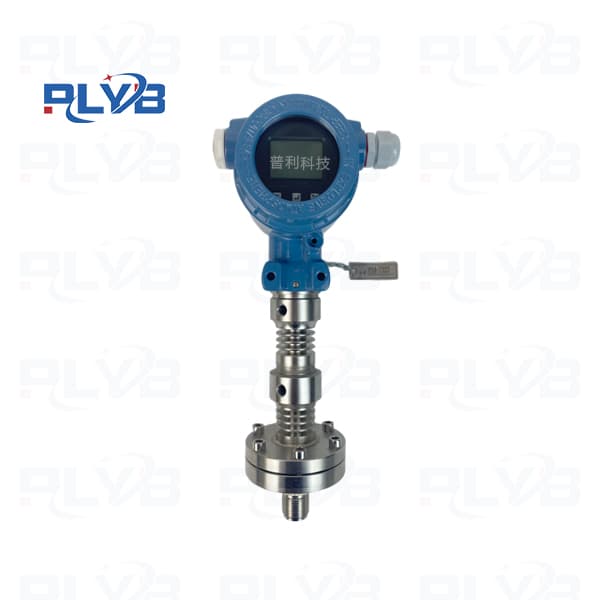
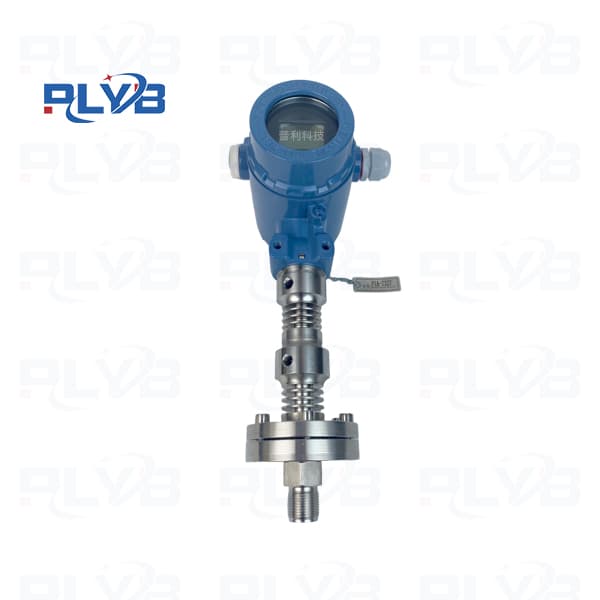
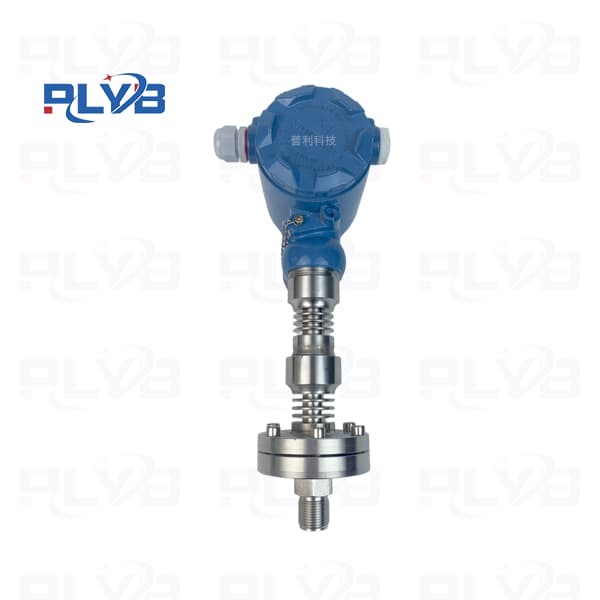
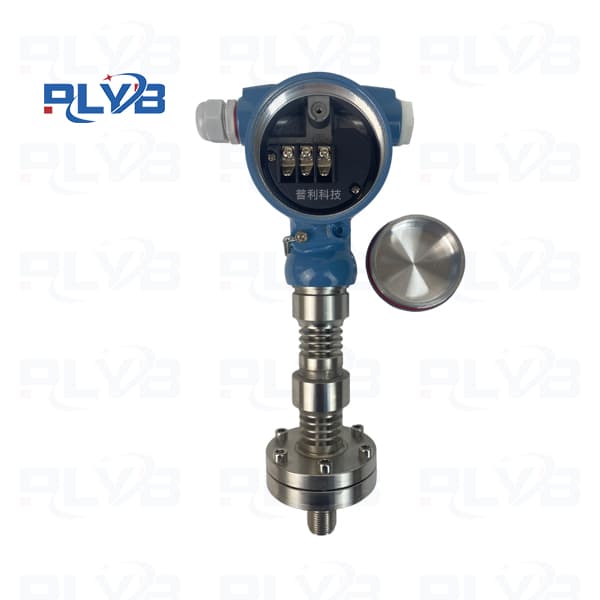
Threaded diaphragm pressure transmitter
- Product Description
-
Threaded diaphragm pressure transmitter — a reliable choice for precise measurement of high-temperature viscous media
In complex conditions such as petrochemical, food and pharmaceutical, and environmental energy, ordinary pressure transmitters often fail frequently due to high temperatures, strong corrosiveness, or crystalline blockage in the medium. The threaded diaphragm pressure transmitter emerged in response, featuring its unique process connection design and high-temperature radiator, making it the ideal solution for pressure measurement in demanding industrial sites.
Product Core Highlights: Why choose threaded diaphragm design?
Unlike traditional flat diaphragm or pressure-extraction orifice transmitters, threaded diaphragm pressure transmitters move the isolation diaphragm forward to the front end of the equipment, where the threads are directly screwed into pipelines or containers, achieving "zero dead angle" contact between the pressure sensing surface and the medium.
Anti-clogging and corrosion-resistant: The front end uses a 316L stainless steel or Hastelloy separator that completely isolates the pressure guide chamber, preventing sticky, particle-containing, or easily crystallizing media from blocking the pressure extraction tube.
Easy to clean with no dead corners: Common thread sizes such as G1", M20×1.5, and other threads; flush film design meets 3A hygiene standards, and in-place cleaning leaves no residue.
Diverse filling solutions: silicone oil, fluorine oil, or food-grade white oil to meet different temperature and compatibility requirements.
Facing the Challenge of High Temperatures: How Can Radiators Ensure Stability Under Extreme Conditions?
When measuring steam, thermal oil, or high-temperature reactor pressure, prolonged exposure of sensor electronic components to high-temperature environments can lead to increased temperature drift and shorter lifespan. We equip threaded diaphragm pressure transmitters with dedicated high-temperature heat sinks, ensuring lasting precision through the following mechanisms:
Thermal blocking structure: The radiator is cleverly installed between the diaphragm and the sensor housing, made of aluminum or stainless steel. It uses large heat dissipation fins for strong convection cooling, lowering the 300°C high at the contact point of the medium to below 60°C at the electronic compartment end.
Dual barrier isolation: The combination of "separator + heat sink" forms a dual-stage thermal buffer. Even when the dielectric's temperature instantly surges to 400°C, the sensor chip can operate comfortably within the normal temperature range, significantly reducing zero and full-degree thermal drift.
No need for external cooling water: Passive air cooling can handle most medium-sized high-temperature scenarios, saving expensive water cooling kits and making installation and wiring simpler.
Typical application scenarios: outlet pressure of heat transfer oil boilers, melt pressure of injection molding machines, steam sterilization cabinets, and high-temperature reactors.
Overview of technical specifications
Parameter items Specifications Measurement range -100kPa… 0~10kPa… 100MPa Overall accuracy ±0.075%FS, ±0.1%FS, ±0.25%FS, ±0.5%FS Process connection threads G1/2", G1", M20×1.5, M27×2, NPT1/2", etc Diaphragm material 316L, Hastelloy C-276, Tantalum, Monnell Output signal 4~20mA (HART), RS485, 0~10V Medium temperature (with radiator) -40°C~400°C (High Temperature Type) Ambient temperature -40℃~85℃ Protection rating IP65, IP67, IP69K (optional) Explosion-proof rating Ex d IIC T5 Gb How can we break through the bottleneck of "high viscosity + high temperature" measurement?
When measuring media such as asphalt or resin in ordinary transmitters, once the pressure holes solidify, signal failure occurs. Our threaded diaphragm pressure transmitter senses pressure through a large-diameter diaphragm at the front, allowing the diaphragm to directly contact the object being measured. Even if the medium is jelly-like, it can accurately transmit pressure. Combined with the heat sink, electronic components on hot melt delivery pipelines above 200°C always maintain safe temperatures, perfectly balancing "high temperature resistance" and "high sensitivity."
Industry application examples
Petroleum and Chemicals: Measures the pressure of viscous mixtures stirred inside crude oil transport and reactors, and radiators eliminate the risk of high-temperature coking.
Food and Pharmaceuticals: Clamp-type threaded separators equipped with radiators for CIP/SIP online high-temperature steam sterilization, with full sterility monitoring.
Plastics and Chemical Fibers: Extruder melt pressure measurement, radiator ensures long-term stability of the transmitter at 350°C.
Power and boilers: High-temperature steam pressure, steam drum level, and integrated radiators to cope with erosion and thermal shock.
Why choose our products?
Customized services: We offer non-standard threads, special diaphragm materials (tantalum, titanium), and custom filling solutions.
Long-term reliability: Each transmitter undergoes strict high and low temperature aging, temperature compensation, and linear calibration.
Fast delivery: Both standard models and high-temperature radiators are fully stocked, with shipping within 48 hours.
Technical support: On-site installation guidance provided, best radiator installation directions, and full sharing of experience parameters.
Frequently Asked Questions (FAQ)
Q: What is the maximum temperature tolerance of a threaded diaphragm transmitter with a radiator?
Answer: After adding a radiator to the standard high-temperature model, the upper limit of the medium temperature can reach 400°C. Ensure the cooling fins are exposed to a ventilated environment and do not wrap them to achieve optimal cooling results.
Q: Does the radiator affect the measurement response speed?
Answer: No. The radiator is located at the top of the liquid filling at the rear end of the diaphragm, mainly transmitting static pressure. The pressure signal transmission time is almost unaffected, and the response speed can still reach milliseconds.
Q: Can it be used to measure negative pressure or vacuum?
Answer: Yes, you can. As long as the process connection threads and sealing gaskets ensure airtightness, the threaded diaphragm transmitter is fully capable of precise measurement under vacuum conditions.
Q: How to choose a model?
Answer: Please confirm the measurement range, process thread specifications, medium temperature range, whether a heat sink is needed, diaphragm material requirements, and output signals.
Related Products
Product Inquiry
Please leave your information, and we will contact you as soon as possible after receiving it. Thank you for your support!