简体中文
简体中文 English

Products
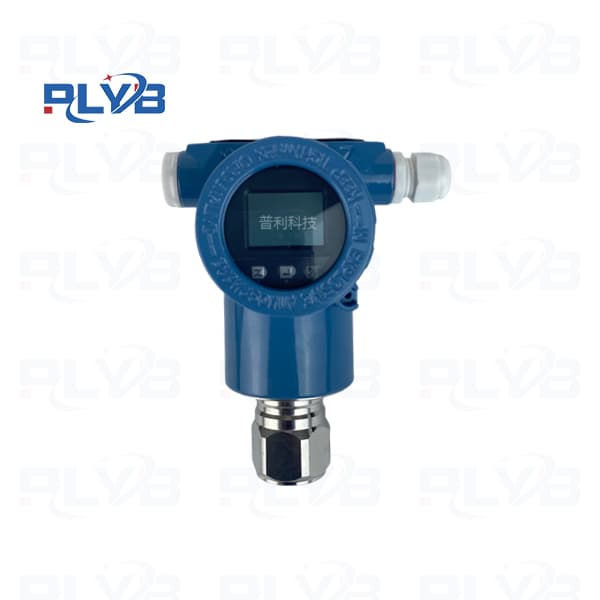
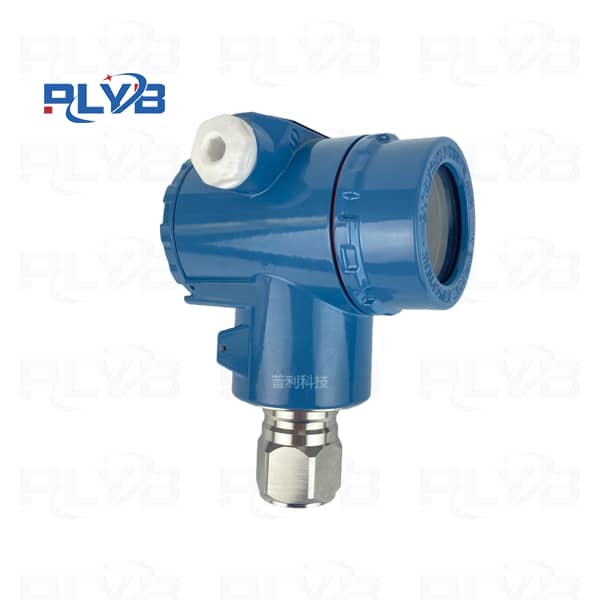
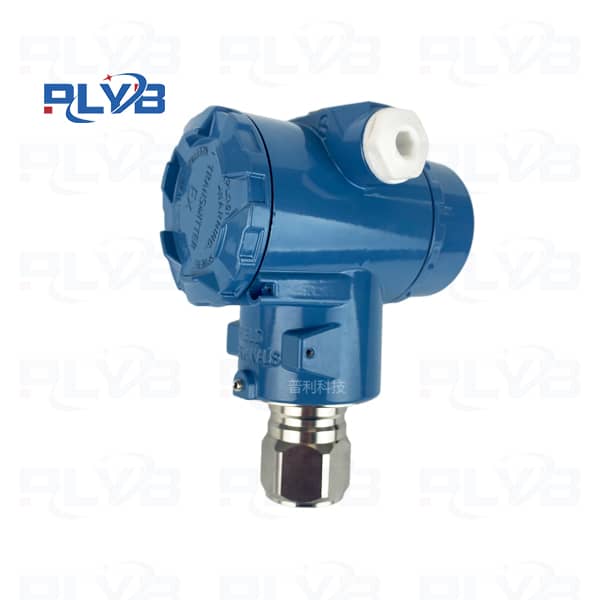
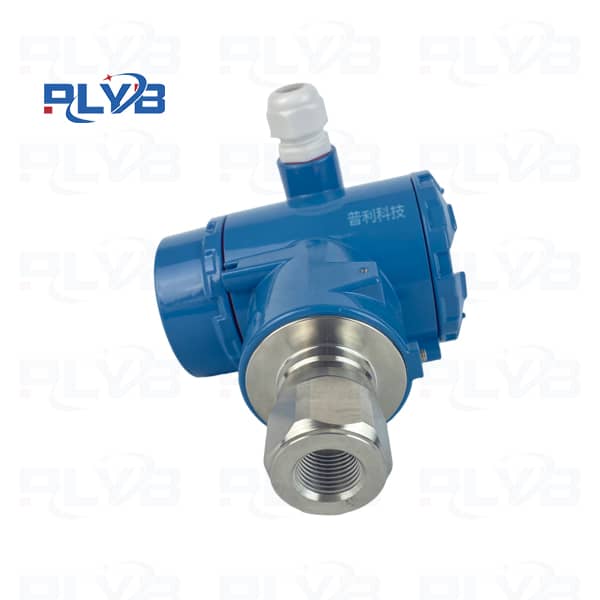
Pressure transmitter (internal thread installation type)
- Product Description
-
Product Overview
In industrial settings, the connection method between pressure transmitters and process pipelines directly affects installation efficiency and long-term sealing performance. Internal thread-mounted pressure transmitters use a direct internal thread design at the process interface, allowing quick docking with pipelines, valves, tanks, and other equipment with external threads without the need for additional switching joints or welding bases.
Suitable for applications requiring rapid disassembly and assembly, space-saving and stable sealing, such as hydraulic systems, pneumatic equipment, water treatment pipelines, air compressors, injection molding machines, and construction machinery.
This product supports multiple standard thread specifications (M20×1.5, G1/2, NPT1/2, etc.), and optionally comes with stainless steel/alloy materials to meet different pressure levels and media compatibility requirements.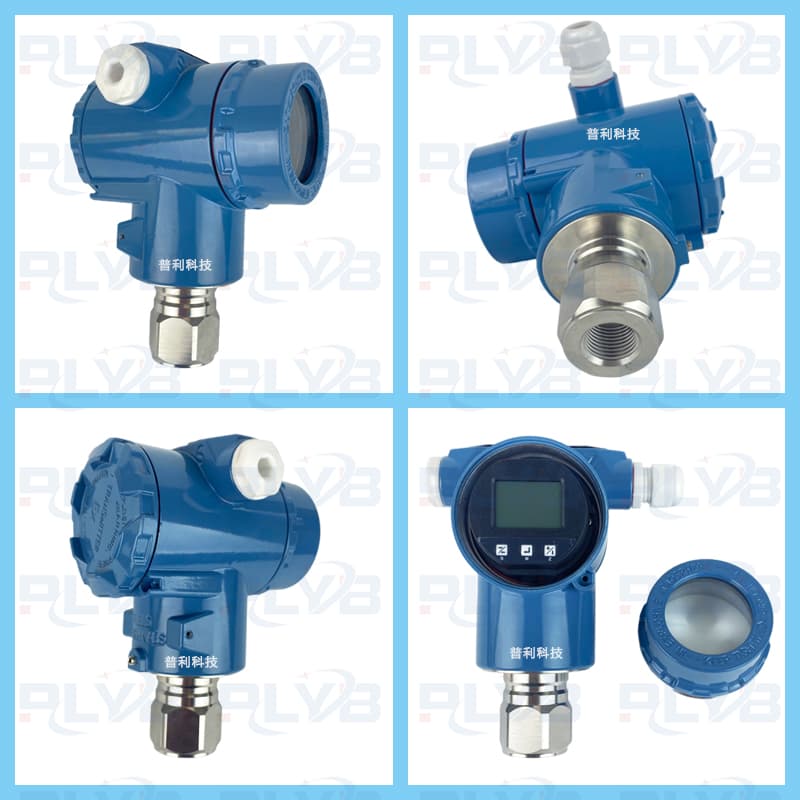
Why choose internal thread installation?
Comparison items Internal thread installation External thread installation (requires additional fittings) Flange installation Installation speed Fast (screw in directly) Medium (requires separate internal threaded connector) Slow (requires bolt tightening) Occupying space Small Middle Big Sealing reliability High (threaded seal + gasket) (one more leak point) High Maintenance and replacement Convenient (wrench removal) It's quite convenient Trouble Cost Low Medium (additional connector required) High Core advantages
Standard internal threaded interface, ready to use immediately after installation
Process connections are machined directly onto the sensor base, reducing the transition step and lowering the risk of leakage.
Supports commonly used threads such as M20×1.5, G1/2, G1/4, NPT1/2, R1/2, and can directly match domestic and international standard piping.
Optional tapered seals (metal-to-metal) or end-face seals (with PTFE gaskets) are available for high-pressure or corrosive media.
Sturdy body, pressure-resistant, and anti-loose
Full 316L stainless steel integrated structure, thickened thread base for high torsional strength, and no slipping during repeated assembly and disassembly.
Recommended installation torque is 30~50 N·m, paired with anti-loosening thread adhesive or spring washers, suitable for vibration environments such as engines and compressors.
Flexible adaptation without changing existing piping
For pipes with existing external threaded joints, they can be screwed directly into the transmitter without welding or modification.
Thread adapter options are provided (such as NPT to G threads) to further expand versatility.
Accurate measurement, unaffected by installation stress
When installing internal threads, the sensor's sensitive element is close to the medium, resulting in a fast response speed (≤1ms).
Special processes eliminate the stress transmitted by tightening torque to the sensor core, with zero point offset.
Wide temperature and pressure range, adaptable to harsh environments
Pressure range: -0.1MPa ~ 100MPa
Medium temperature: -40°C ~ +125°C (standard); Optional radiator installation for high-temperature conditions (refer to high-temperature model)
Protection rating IP65/IP67, optional explosion-proof certification.
Technical specifications
Project Parameters Measurement range -0.1… 0 ~ 0.1… 100MPa Internal thread specifications M20×1.5 (standard), G1/2, NPT1/2, R1/2, G1/4, and other optional specifications Sealing method End face seal (gasket) / tapered seal Accuracy grade 0.5% FS (typical), 0.25% FS (optional) Output signal 4-20mA / 0-10V / RS485 Modbus / HART Supply voltage 12~36V DC (two-wire/three-wire) Shell material 304 or 316L stainless steel Diaphragm material 316L Stainless Steel / Hastelloy / Tantalum (optional) Electrical interfaces M20×1.5 Cable Sealing Connector / Hirschmann / Aviation Plug Long-term stability ≤ 0.2% FS/year Ambient temperature -20℃ ~ +85℃ Application scenarios
Industry Typical applications Thread is recommended Hydraulic system Oil circuit pressure monitoring and hydraulic stations G1/4 or M20× 1.5 Air compressor Air storage tanks and pipeline air pressure NPT1/4 or R1/2 Water treatment Pump outlet, front and rear filters G1/2 Construction machinery Hydraulic testing of excavators and loaders NPT1/2 Injection molding machines Injection hydraulic pressure and clamping force M20×1.5 Petrochemicals Pressure for small-diameter pipelines NPT1/2 or R1/2 Model selection guide
Confirm thread specifications:
Measure the external thread specifications of existing pipeline/equipment interfaces (such as nominal diameter, pitch, sealing type), and select the corresponding internal thread transmitter.If unsure, you can take photos of the interface or measure the dimensions, and we will assist in judgment.
Confirm the range and medium:
Provide maximum working pressure and media type (oil, water, gas, corrosive liquids, etc.) to determine the diaphragm material.Confirm output and power supply:
PLC acquisition multi-use 4-20mA; Remote monitoring can be selected as RS485; Battery-powered options include low-power models.Confirm whether on-site display
is needed. Optional LED/LCD meter heads are available for convenient on-site inspection.Check the environment and installation space.
If vibration is high, it is recommended to install anti-loosening devices; If space is limited, right-angle cable or compact housing can be chosen.
Installation precautions
Before installation, check whether the threads match and remove any impurities from the pipeline.
It is recommended to apply an appropriate amount of sealant or wrap raw material tape on the thread (only applicable to end-face sealing types; tapered seals are generally not required).
Use a wrench to grip the transmitter's hexagonal part and tighten it; do not rotate the housing.
Maximum torque does not exceed 50 N·m to prevent over-torque damage to the internal sensor.
For high pressure or pulsating pressure, it is recommended to install a damper or shut-off valve in front of the transmitter.
Frequently Asked Questions (FAQ)
Q: Can internal thread transmitters be used for high-temperature steam?
A: Standard model can withstand temperatures up to 125°C; for steam operation, select high-temperature type + radiator, but the threaded connection remains intact.Q: Are NPT threads and G threads interchangeable?
A: No, it cannot. NPT is a tapered thread, sealed by the thread itself; G stands for cylindrical thread, which requires sealing with a gasket on the end face. Mixing them may cause leakage, so please match them strictly.Q: What should I do if the zero position changes after tightening the transmitter?
A: This product is designed with stress isolation, so the zero position remains unchanged under normal conditions. If there is a deviation, it can be cleared using an external zeroing potentiometer or software.Q: Can you customize non-standard threads?
A: Yes, you can. For special connectors such as M16×1.5 and 7/16-20 UNF, the minimum order quantity is ≥ 10 units for customization.Why choose us?
Over 10 years of experience in pressure transmitter manufacturing, ISO9001 systems
Internal thread connectors are well stocked, and common specifications are shipped within 3 working days
Every product leaves the factory undergoing high-voltage testing and airtightness inspection
Provides a 2-year warranty and 24×7/7 technical support
Non-standard thread customization: low minimum order quantity, short delivery time
Related Products
Product Inquiry
Please leave your information, and we will contact you as soon as possible after receiving it. Thank you for your support!