简体中文
简体中文 English

Products
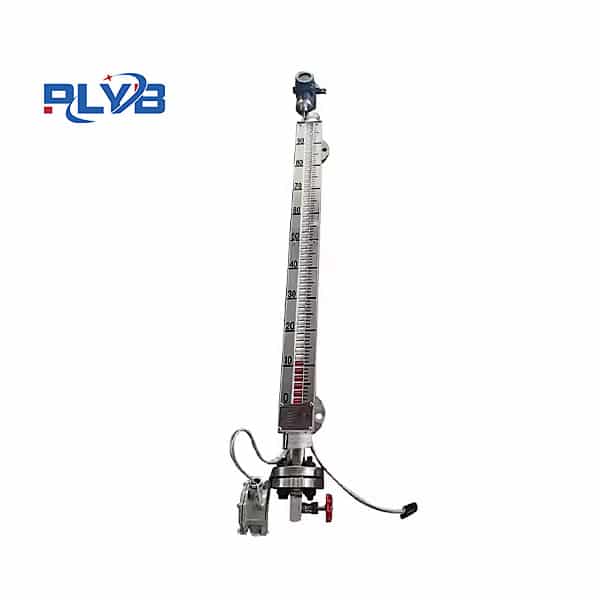
Explosion-proof electric heat tracing tape magnetic flap level meter
- Product Description
-
Electric Heat Tracing Magnetic Flap Level Meter: An anti-solidification solution for steam-free operating conditions
What is an electric heat tracing magnetic flap level meter?
The electric heating magnetic flap level meter (also known as: electric heating magnetic flap level meter or electric heating tape type level gauge) is made by wrapping electric heating tape around the outside of the standard stainless steel magnetic flap level gauge main tube and wrapping it with an insulation layer. By applying electricity and generating heat, it heats and insulates the medium inside the main tube, preventing solidification, crystallization, coking, or viscosity caused by lower temperature.
This product is an alternative to insulated jacketed magnetic flap level gauges, especially suitable for working conditions without steam sources or hot water circulation systems. It only requires connecting a 220V or 380V power supply to achieve heat tracing and insulation.
Electric Heat Tracing vs. Steam Jacket: How to Choose?
Comparison items Electric heat tracing magnetic flap level meter Steam jacketed magnetic flap level gauge Heat source requirements Power supply only (220V/380V) Requires a steam boiler or heat source Installation costs Lower (no need to lay steam pipes) Higher (requires steam pipelines and steam trap valves) Operating costs Higher (electricity bill) Lower (steam costs) Temperature control Precision (thermostat available) Coarse tuning (by adjusting steam flow) Applicable scenarios Small and medium-sized storage tanks, locations without steam sources Large factories and places with steam waste heat Explosion-proof requirements An explosion-proof heat tracing tape should be selected Steam itself does not have explosion-proof issues Maintenance difficulty Simple (check if the heat tracing tape is damaged) Complex (checking steam pipelines, steam traps) 
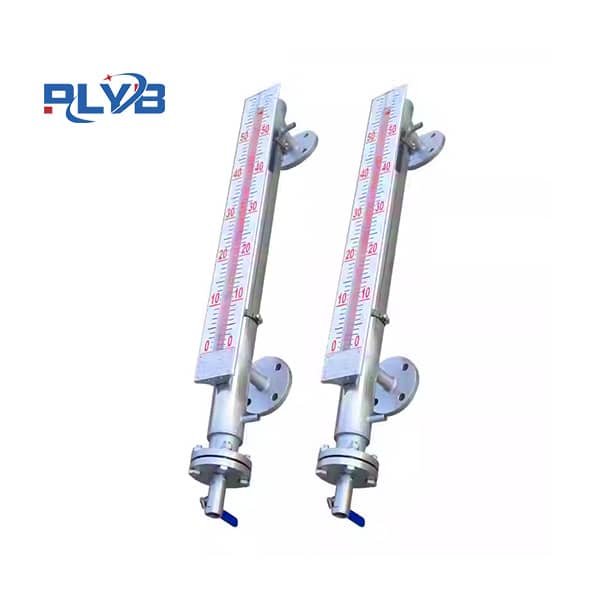
Working principle of the electric heat tracing magnetic flap plate level meter
Principle of liquid level measurement: The float inside the main pipe rises and falls with the liquid level, and magnetic coupling drives the external flipping column to flip, achieving local liquid level display. An optional reed tube remote transmitter outputs 4-20mA signals to the control room.
Electric heat tracing principle: Wrap self-regulating or constant power heating tape around the outer wall of the main tube of the liquid level gauge, and wrap the outer layer with insulation cotton (rock wool/glass wool) and aluminum foil/stainless steel protective shell. After powering on, the heat tracing band heats up, and heat is transferred through the stainless steel wall to the main tube, maintaining the medium's temperature above the freezing point.
Selection of electric heating tape types
Type Features Applicable scenarios Self-regulating temperature tracing tape Temperature automatically adjusts without overheating, allowing for arbitrary cutting General-purpose type, the most commonly used Constant power heat tracing tape Power per unit length is constant, requiring a thermostat High temperature or long-distance heat tracing is required MI mineral insulated heat tracing tape High temperature resistance, corrosion resistance, and long service life High-temperature operating conditions and explosion-proof areas Core advantages
No steam source needed: heat tracing can be achieved only with a power supply, making it more versatile
Easy installation: no need to lay steam pipelines or steam trap systems
Temperature controllable: Can be paired with thermostats for precise temperature adjustment (±5°C)
Quiet operation: no steam flow noise
Fast start: Heats up immediately upon powering, no preheating piping required
Simple maintenance: only need to regularly check whether the heat tracing tape is intact
Optional explosion-proof: explosion-proof heat tracing tape can be used in flammable and explosive environments (Exe/Exd)
Dual display: On-site column flipping is visually visible, with optional 4-20mA remote transmission signals
Technical specifications
Parameter items Typical values Main material 304 / 316L stainless steel Measurement range 300mm ~ 6000mm (customizable) Work pressure ≤6.4 MPa (higher customizable) Operating temperature -40°C ~ 200°C (medium temperature) Maintain the temperature Can maintain medium temperature between 5°C ~ 150°C (depending on heat tracing power Types of heat tracing tapes Self-limiting temperature / constant power / MI mineral insulation Heat tracing tape power 15W/m ~ 60W/m (customizable on demand) Supply voltage 220V / 380V AC Temperature control method Thermostat (target temperature can be set) Insulation layer Rock wool/glass wool + aluminum foil/stainless steel casing Measurement accuracy ±5mm ~ ±10mm Connection method Side-mounted flanges (DN20/DN25/DN40, etc.) Float material 316L / titanium / HC alloy Output signal (optional) 4-20mA, RS485 Modbus, switch alarm Explosion-proof rating (optional) Exe IICT6 (Enhanced Safety Type) / Exd IICT6 (Explosion-Proof Type) ⚠️ Selection Tips: Please provide the medium's freezing point, required maintenance temperature, minimum ambient temperature, and whether the explosion-proof zone is available to accurately calculate the heat tracing tape power and selection.
Typical application scenarios
Petrochemicals: crude oil, heavy oil, residual oil, asphalt storage tanks (sites without steam sources)
Chemical industry: molten salt, paraffin, sulfur, urea, phthalic anhydride, and other easily solidifying media
Oil industry: animal and vegetable oils, fatty acids, glycerin storage tanks
Adhesives/Coatings: hot melt adhesives, resins, paints, glues
Food industry: chocolate, syrup, honey, high fructose corn syrup
Pharmaceutical industry: liquids requiring insulation, such as gelatin and ointment bases
Outdoor small storage tanks: Winter frost protection to prevent water or dilute media from freezing
Key points for model selection
Provide the following parameters to the manufacturer to obtain an accurate selection plan:
Measurement range: Center distance between upper and lower flanges (mm)
Medium name and freezing point: e.g., "crude oil, freezing point 25°C"
Required temperature: e.g., "Maintain 40-50°C"
Minimum ambient temperature: Minimum temperature in winter (used to calculate heat loss)
Working pressure: The working pressure of the storage tank
Power supply conditions: 220V or 380V? Do you need temperature control?
Explosion-proof requirements: Is it located in an explosion-proof area? (Exe/Exd)
Remote transmission required: 4-20mA / RS485 / alarm switch
Connection flange specifications:D N20/DN25? Standard?
Composition of the electric heat tracing system
A complete set of electric heat tracing magnetic flap level meters includes:
Components Explanation Main body of the magnetic flap liquid level gauge 304/316L stainless steel, measuring liquid level Electric heat tracing tape Wrapped around the outer wall of the main tube Insulation layer Rock wool or glass wool to reduce heat loss Protective housing Aluminum foil or 304 stainless steel casing protects the heating tape and insulation layer Junction box Heat tracing tape power is accessed, explosion-proof optional Thermostat (optional) Set target temperature and automatically start and stop Temperature sensor (optional) Detects the surface temperature of the main tube and feeds it back to the thermostat Installation precautions
Uniform Winding of Heating Tape: Heating tape should be evenly wound around the outer wall of the main pipe to avoid overlapping and overheating
Tightly wrapped insulation layer: The insulation layer must fully cover the heating tape, and the joints should be sealed to prevent water ingress
Power wiring specifications: The end of the heat tracing tape must be sealed with a dedicated terminal to prevent short circuits
Thermostat installation: The thermostat probe should be tightly attached to the main pipe wall and secured with aluminum foil tape
Explosion-proof areas: explosion-proof heating tape and explosion-proof junction boxes must be selected
Power on before feeding: Before activation, power on the main tube to preheat to prevent the cold medium from entering and solidifying
Common faults and troubleshooting
Problematic phenomena Possible reasons Handling measures The heat tracing strap does not generate heat Power outage/damaged heat tracing tape/thermostat failure Check the power supply, test the resistance, and replace the thermostat Poor insulation performance Insulation layer is damaged or power is insufficient Repair the insulation layer and increase the power of the heating tape The liquid level display is delayed Local solidification of the medium Increase the maintained temperature setting Tripping the brake Heat tracing tape is damp, short-circuited, or insulation damaged Check the seal of the junction box and replace the heat tracing tape The pillar was turned but did not move The medium solidifies and jams the float After heating and melting, clean the main pipe Maintenance Recommendations: Regularly check the power indicator light and insulation integrity of the heating tape, and test the heat tracing effect before winter arrives.
Comparison of electric heat tracing type vs. steam jacketed type
Comparison items Electric heat tracing type Steam jacket type Heat source requirements 220V/380V power supply Steam boilers Installation costs Low High Operating costs Higher (electricity bill) Low (steam) Temperature control accuracy High (±5°C) Average Applicable scale Small and medium-sized storage tanks Large factories Explosion-proof implementation An explosion-proof heating tape is required No additional requirements Startup speed Fast (heats up immediately upon powering) Slow (requires preheating piping)
Related Products
Product Inquiry
Please leave your information, and we will contact you as soon as possible after receiving it. Thank you for your support!