简体中文
简体中文 English

Products
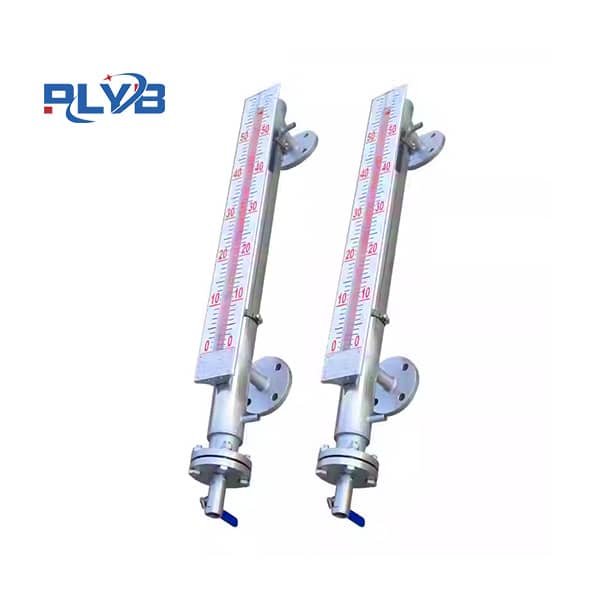
Insulated jacketed stainless steel magnetic flap level meter
- Product Description
-
Insulated jacketed stainless steel magnetic flap level meter: a solution for anti-solidification and anti-crystallization liquid level measurement
What is a thermal insulation jacket stainless steel magnetic flap level gauge?
The insulated jacketed stainless steel magnetic flap level gauge (also known as: heat-tracing type magnetic flap level gauge or steam jacket level gauge) adds a jacket structure outside the main tube of the standard stainless steel magnetic flap level gauge. By introducing steam, hot water, heat transfer oil, or connecting an electric heating tape into the jacket, the medium inside the main tube is heated and insulated, preventing the medium from solidifying or crystallizing due to temperature drops. Coking or viscous.
The main body of this product is made of 304 or 316L stainless steel, featuring the magnetic flap level gauge's on-site intuitive display and optional remote transmission. It is an ideal choice for level measurement of easily solidifying media such as asphalt, crude oil, heavy oil, molten salt, sulfur, hot melt adhesives, and high-viscosity chemical raw materials.
Working principle
-
Principle of liquid level measurement: The float inside the main pipe rises and falls with the liquid level, and magnetic coupling drives the external flipping column to flip, achieving local liquid level display. An optional reed tube remote transmitter outputs 4-20mA signals to the control room.
-
Insulation principle: The main pipe is welded with a concentric jacket or half-pipe jacket on the outside, with an inlet and outlet interface on the jacket. Users introduce steam (0.2-0.6MPa), hot water (60-90°C), or heat transfer oil. The heat is transferred through the stainless steel wall to the main pipe, maintaining the medium's temperature above its freezing point, ensuring the medium remains in a flowing state and the float moves freely.
Common forms of insulation jackets
Jacket type Structural features Applicable scenarios Concentric jacket The outer and inner tubes are concentric, with uniform interlayers Universal type, uniform insulation effect Half-pipe jacket Spiral or segmented semicircular tube welding The medium temperature requirement is high, and the heating speed is fast Electric heat tracing type Outer wall wrapped with heat tracing tape + insulation layer Small storage tanks without a steam source Core advantages
-
Prevent medium solidification: Keep the medium temperature above the melting point to ensure the level gauge operates normally and avoid false liquid levels.
-
Multiple heat sources available: steam, hot water, heat transfer oil, or optional electric heat tracing system.
-
Corrosion resistance: 304/316L stainless steel body, resistant to medium corrosion and corrosion inside the jacket.
-
Dual display function: On-site column flipping is visually visible, with optional remote transmission signals from 4-20mA.
-
Customized interfaces: jacket inlets and outlets can be customized according to user requirements (flange, thread, specifications, position).
-
Controllable insulation effect: By adjusting the heat source flow or temperature, the medium temperature can be precisely controlled.
Technical specifications
Parameter items Typical values Main material 304 / 316L stainless steel Jacket material 304 Stainless Steel (Same as Main Body) Measurement range 300mm ~ 6000mm (customizable) Work pressure ≤6.4 MPa (higher customizable) Operating temperature -40°C ~ 350°C (medium temperature) Insulation heat source Steam (≤0.6MPa) / hot water / heat transfer oil / electric heat tracing Jacket interface G1/2", G3/4" threads or DN15/DN20 flanges Measurement accuracy ±5mm ~ ±10mm Connection method Side-mounted flanges (DN20/DN25/DN40, etc.) Float material 316L / titanium / HC alloy Output signal (optional) 4-20mA, RS485 Modbus, switch alarm Explosion-proof rating (optional) Exd IICT6 / Exia IICT6 ⚠️ Selection Tip: Please provide the medium's freezing point, required maintenance temperature, and type of available heat source to enable precise jacket specification design.
Typical application scenarios
-
Petrochemicals: Crude oil, heavy oil, residual oil, and asphalt tank level measurement
-
Chemical industry: molten salt, paraffin, sulfur, urea, phthalic anhydride, and other easily solidifying media
-
Oil industry: animal and vegetable oils, fatty acids, glycerin storage tanks
-
Adhesives/Coatings: hot melt adhesives, resins, paints, glues
-
Food industry: chocolate, syrup, honey, high fructose corn syrup
-
Pharmaceutical industry: liquids requiring insulation, such as gelatin and ointment bases
Key points for model selection
Provide the following parameters to the manufacturer to obtain an accurate selection plan:
-
Measurement range: Center distance between upper and lower flanges (mm)
-
Medium name and freezing point: e.g., "asphalt, freezing point 50°C"
-
Required temperature maintenance: e.g., "Maintain 80-100°C"
-
Operating temperature and pressure: maximum temperature of the medium and tank pressure
-
Heat source types: steam/hot water/heat transfer oil/electric heat tracing (and pressure and temperature parameters)
-
Jacket interface specifications: threaded or flanged? Entry/Exit Locations?
-
Remote transmission required: 4-20mA / RS485 / alarm switch
-
Connection flange specifications:D N20/DN25? Standards (China/US/Japan)?
-
Explosion-proof requirements: Is explosion-proof (Exd/Exia) required?
Installation precautions
-
Heat source turned on before shutting down: Before activation, preheat the heat source; before shutting down, drain the medium before shutting down the heat source
-
Jacket pressure test: Perform pressure tests on the jacket before installation to ensure no leakage
-
Condensate discharge: During steam heating, a steam trap valve should be installed at the jacket outlet to promptly drain the condensate
-
Insulation layer: It is recommended to wrap rock wool or glass wool insulation outside the jacket to reduce heat loss
-
Heat source temperature control: The heat source temperature should not be too high (it is recommended not to exceed the medium's maintenance temperature of +30°C), and to prevent demagnetization of the float magnet (the magnetic steel temperature resistance limit is usually 350°C).
Common faults and troubleshooting
Problematic phenomena Possible reasons Handling measures The pillar was turned but did not move The medium solidifies and jams the float Increase the temperature or flow rate of the heat source The liquid level display is delayed Insufficient insulation effect, localized solidification of the medium Check the steam trap valve and add an insulation layer Jacket leakage Welding defects or corrosion Repair welding or replace the jacket Remote signal abnormality High temperatures can damage the reed tube High-temperature remote transmission transmitters are selected The flipping pillar faded in color High temperatures cause column aging and aging High-temperature flipping columns are selected Maintenance Recommendations: Regularly check the jacket's inlet, outlet, and steam trap valves to prevent condensation from accumulating and affecting heating performance.
Comparison between insulated jacket type and standard type
Comparison items Insulated jacket type Standard model Applicable medium Easy to solidify, high viscosity, and prone to crystallization Liquid flowing at room temperature Structure Double-layer pipe (inner tube + jacket) Single-layer pipes Cost Relatively high Lower Weight Heavier Lighter Installation Heat source piping must be connected Install directly Maintenance Regular inspection of the heat source system is required Routine maintenance 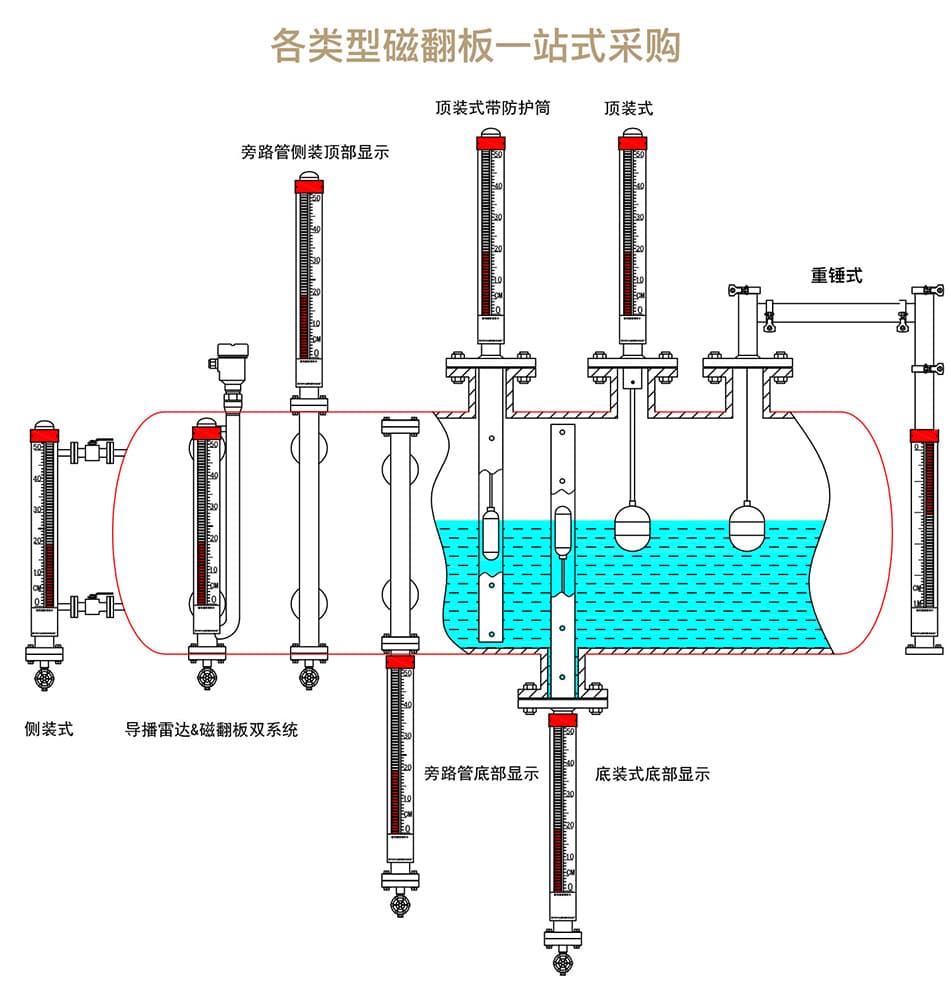
-
Related Products
Product Inquiry
Please leave your information, and we will contact you as soon as possible after receiving it. Thank you for your support!