简体中文
简体中文 English

Products
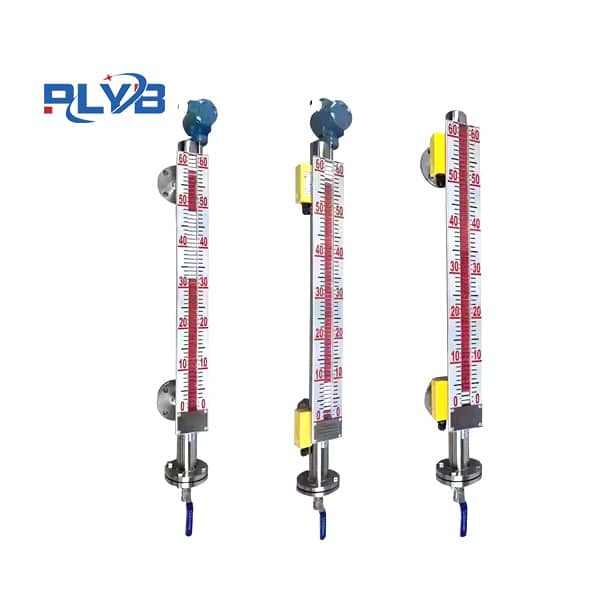
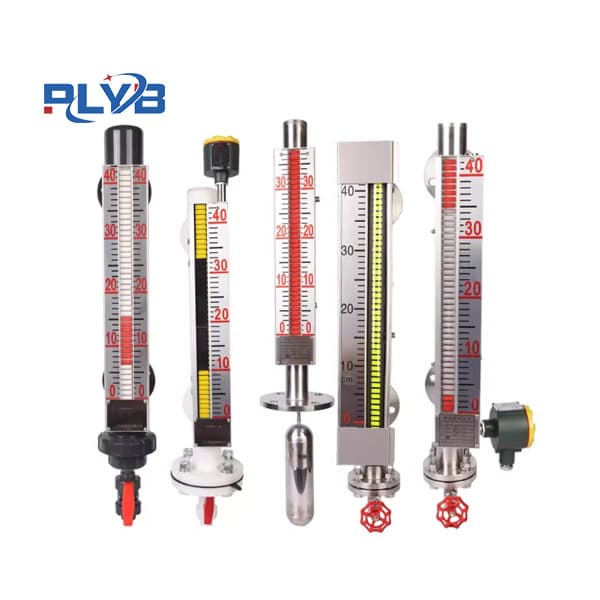
UHZ-62EX/CN explosion-proof stainless steel magnetic flip plate level meter
- Product Description
-
Explosion-proof 316 stainless steel magnetic flap level meter: the preferred liquid level measurement in flammable and explosive environments
What is the explosion-proof 316 stainless steel magnetic flap level gauge?
The explosion-proof 316 stainless steel magnetic flap level meter is a liquid level measuring instrument specially designed for flammable and explosive environments such as petroleum, chemical, pharmaceutical, and natural gas. It uses a 316L stainless steel main body, offering excellent corrosion resistance. The remote transmission transmitter section features either explosion-proof (Exd) or intrinsically safe (Exia) explosion-proof design to ensure safe operation in hazardous environments containing combustible gases, vapor, or dust.
This product can achieve on-site intuitive liquid level display via red-and-white flipping columns (no power supply required, intrinsically safe), and can also output 4-20mA signals or RS485 communication to the control room via explosion-proof remote transmission transmitters, enabling remote monitoring and alarm interlock.
Explosion-proof rating explanation
Explosion-proof type Explosion-proof mark Working principle Applicable scenarios Explosion-proof type Exd IICT6 The casing can withstand internal explosions without damage and can prevent the flames from spreading Zone 1, Zone 2 (common) Intrinsically safe type Exia IICT6 Limiting circuit energy prevents sparks or thermal effects sufficient to ignite Zone 0、Zone 1、Zone 2 Enhanced safety type Exe IICT6 Enhances the safety of electrical equipment and prevents sparks or dangerous temperatures Zone 1、Zone 2 T6 grade: The maximum surface temperature of the equipment is ≤85°C, suitable for most flammable gas environments.
Core advantages
Complete explosion-proof certifications: Exd IICT6 / Exia IICT6 / Exe IICT6, meeting the requirements of different hazardous areas
316L stainless steel material: Corrosion resistance superior to 304, suitable for seawater, chloride ions, and acidic or alkaline media
Intrinsic safety display: The on-site flipping column is a purely mechanical structure, requiring no power supply and eliminating any risk of electric sparks
Dual liquid level monitoring: on-site display + explosion-proof remote transmission signal, enabling dual confirmation between on-site and central control rooms
High temperature and high pressure resistance: operating temperature -40°C~350°C, pressure ≤ 6.4MPa (customizable higher)
Multiple sealing protections: The junction box and main conduit connections all use explosion-proof sealing structures
Optional accessories are complete: explosion-proof alarm switch, explosion-proof liquid level transmitter, explosion-proof junction box
Technical specifications
Parameter items Typical values Main material 316L stainless steel (316/317L optional) Measurement range 300mm ~ 6000mm (customizable) Work pressure ≤ 6.4 MPa (up to 10 MPa) Operating temperature -40°C ~ 350°C (customizable even higher) Measurement accuracy ±5mm ~ ±10mm Connection method Side-mounted flanges (DN20/DN25/DN40, etc.) Float material 316L / titanium / HC alloy Flip column material Ceramic/Plastic (High temperature resistant optional) Explosion-proof mark Exd IICT6 Gb / Exia IICT6 Ga Protection rating IP65 / IP66 / IP67 Remote transmission (optional) 4-20mA (two-wire system), RS485 Modbus Alarm switch (optional) Reed Switch (Explosion-Proof Type) Electrical interfaces M20 ×1.5 / G1/2" / 1/2 NPT (Explosion-Proof Sealed Fitting) Explosion-proof certificate number Provided by manufacturer (compliant with GB3836 standard) Explosion-proof vs. standard model comparison
Comparison items Explosion-proof 316 stainless steel Standard 316 stainless steel Applicable locations Zone 0/1/2 Danger Zone Non-explosion-proof zones FarEasTone junction box Explosion-proof/intrinsically safe explosion-proof enclosure Ordinary waterproof junction boxes Cable introduction device Explosion-proof sealed joints Standard PG connectors Price Relatively high Lower Certification Explosion-proof certificate None Installation requirements Must comply with explosion-proof standards Routine installation Typical application scenarios
Petrochemicals: Liquid level measurement for refinery storage tanks, reactors, and towers
Pharmaceutical industry: solvent storage tanks, alcohol tanks, extraction towers (containing flammable solvents)
Natural Gas/Liquefied Gas: LNG/LPG storage tanks, gas-liquid separators
Paint and coatings: solvent-based paint storage tanks, thinner tanks
Coal Chemicals: Methanol, ethanol, benzene storage tanks
Gas stations: Underground oil storage tank level monitoring
Fine chemicals: flammable and explosive intermediate storage tanks
Key points for model selection
Provide the following parameters to the manufacturer to obtain an accurate selection plan:
Measurement range: Center distance between upper and lower flanges (mm)
Name and nature of the medium: whether it is corrosive, whether it is flammable or explosive
Operating temperature and pressure: maximum/minimum temperature and pressure
Explosion-proof zone level: Zone 0/1/2? Gas Groups (IIA/IIB/IIC)?
Remote transmission required: 4-20mA / RS485 / alarm switch
Remote Transmission Signal Type: Two-wire or Four-Wire?
Electrical interface specifications: M20× 1.5 / G1/2 / 1/2 NPT
Connection flange specifications:D N20/DN25? Standards (China/US/Japan)?
Whether insulation/heat tracing is needed: anti-freezing or anti-freezing requirements
Explosion-proof installation precautions
Cable entry: must use explosion-proof sealing joints (cable sealing rings intact, cable outer diameter matched)
Junction box sealing: After wiring is completed, tighten the box cover bolts evenly to ensure the explosion-proof surface fits tightly
Grounding requirements: The explosion-proof enclosure must be reliably grounded to prevent static electricity accumulation
Strictly prohibit opening the lid while energized: Explosion-proof junction boxes must not be opened while powered on
Cable selection: Use armored cables or use explosion-proof flexible conduits for protection
Installation location: Avoid high-temperature heat sources and strong vibration sources
Regular inspection: Check for rust on the explosion-proof surfaces and aging of the sealing rings
Common faults and troubleshooting
Problematic phenomena Possible reasons Handling measures Remote transmission signals have no output Loose terminals inside the explosion-proof junction box / Damaged transmitter Open the lid after power off to inspect (live power is strictly prohibited). Signal fluctuations are unstable Loose wiring/electromagnetic interference Check wiring and use shielded cables The flipping column on site did not move Float jamming / magnet demagnetization Clean the main pipe and replace the float Explosion-proof surfaces seepage Aging sealing rings / caps not tightened replace the sealing ring and retighten it The color of the flipping pillar faded High-temperature aging Selected high-temperature flipping column (ceramic type) Explosion-proof maintenance reminder: Any maintenance operation involving explosion-proof junction boxes must be performed after the power is cut off and operated by personnel with explosion-proof qualifications.
Related Products
Product Inquiry
Please leave your information, and we will contact you as soon as possible after receiving it. Thank you for your support!