简体中文
简体中文 English

Products
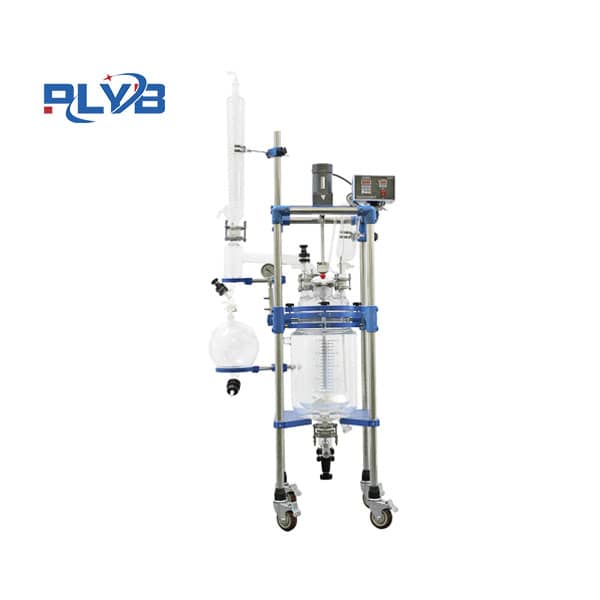
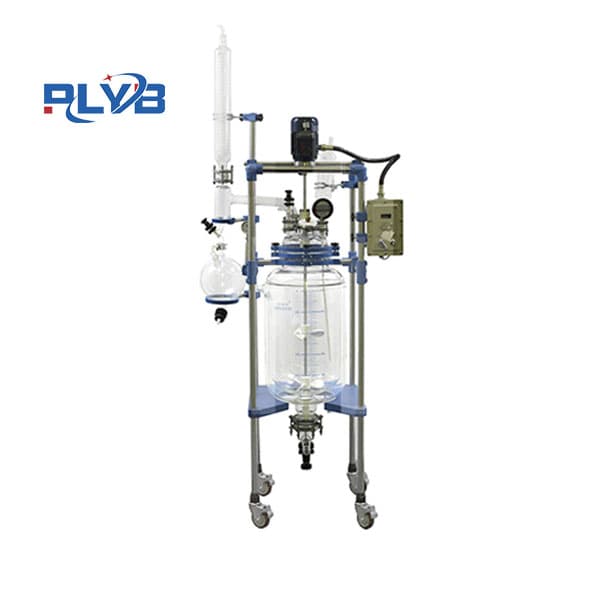
PL-10L Double-Jacketed Glass Reactor
- Product Description
-
PL-10L Double-Jacketed Glass Reactor
In the fields of fine chemicals, biopharmaceuticals, and new materials research and development, the 10L double‑jacketed glass reactor has become a core piece of equipment for both laboratory-scale trials and pilot‑scale scale‑up, thanks to its moderate capacity, excellent corrosion resistance, and precise temperature control. It not only addresses the challenge of insufficient experimental capacity for exploring process parameters but also provides reliable data support for large‑scale production.
Why choose a 10 L double‑jacketed glass reactor?
The choice of volume directly affects R&D efficiency and costs. Compared with small reactors of 5 L or less, the 10 L double-jacketed glass reactor offers a larger single-batch processing capacity, meeting the pilot-scale requirements for kilogram‑scale materials. At the same time, compared with large equipment of 50 L or more, the 10 L model occupies a very small footprint and provides high operational flexibility, making it ideally suited for university laboratories, research institutes, and corporate R&D departments.
Core Advantages: Physical and Chemical Properties of High-Borosilicate Glass
High-quality 10L double-layer glass reactors are typically manufactured using high-borosilicate glass (G3.3 material). This material boasts an extremely low coefficient of thermal expansion, enabling it to withstand drastic temperature fluctuations (with a temperature resistance range from -80°C to 250°C). More importantly, it exhibits excellent corrosion resistance, resisting the attack of most chemical solvents except hydrofluoric acid and strong alkalis. The double-layer glass structure (i.e., the interlayer) allows users to circulate heating media (such as heat-transfer oil or hot water) or cooling media (such as liquid nitrogen or coolant), achieving precise control over the temperature of the reactor contents. The reaction process is clearly visible, facilitating easy observation of changes in material color, crystallization states, or layering.
Product Structure and Key Component Analysis
A standard-configured 10L double-layer glass reactor mainly consists of the following components:
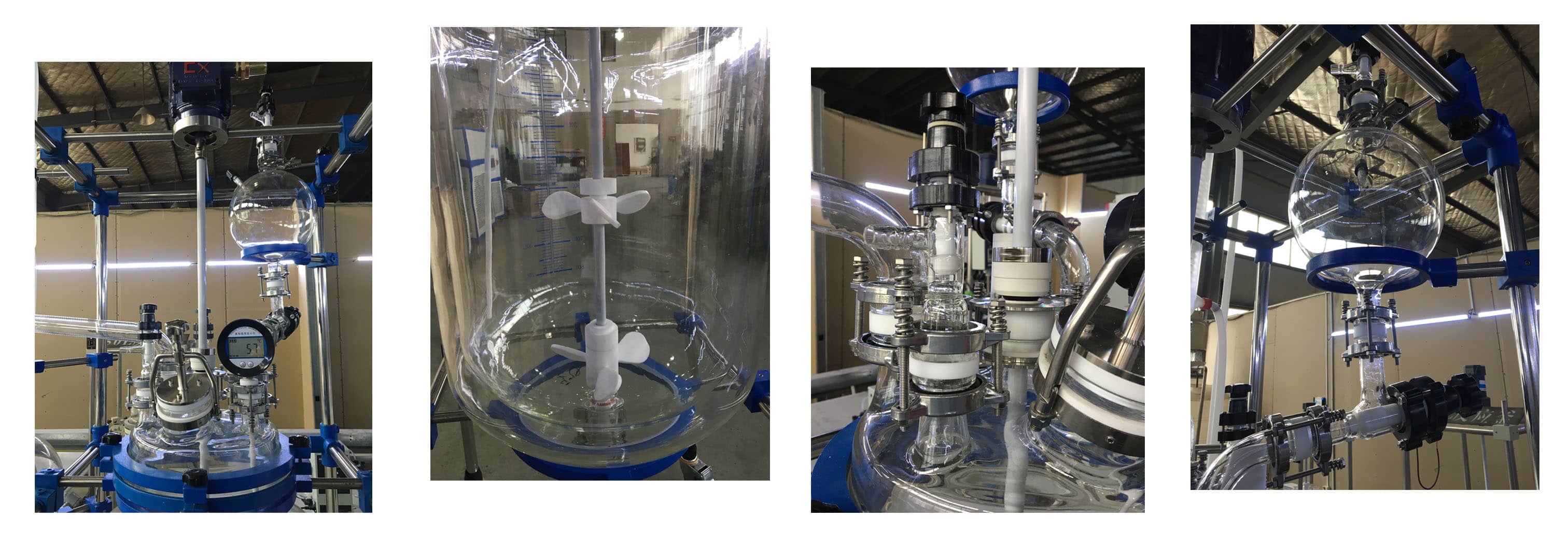
Reactor Body Assembly: With an effective volume of 10 liters, it features a double-layer glass construction—inner layer serving as the reaction chamber and outer layer as a jacket. The reactor body is typically connected via a large-diameter flange, facilitating easy cleaning and material charging.
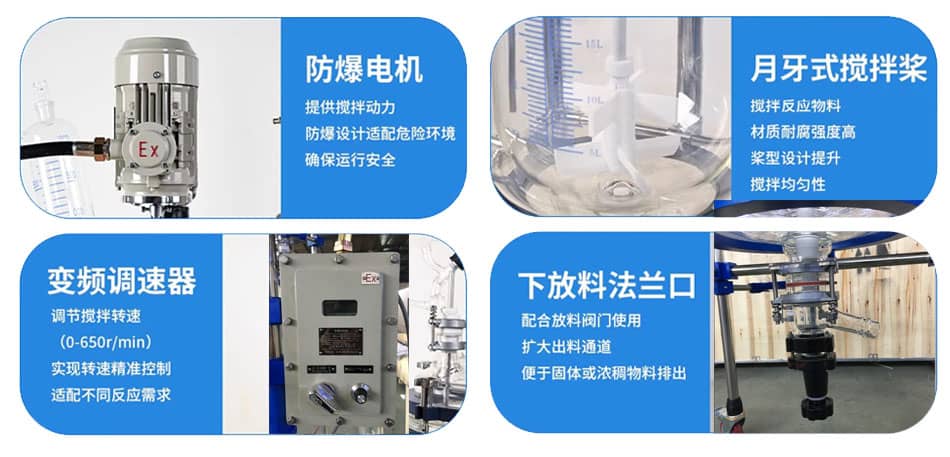
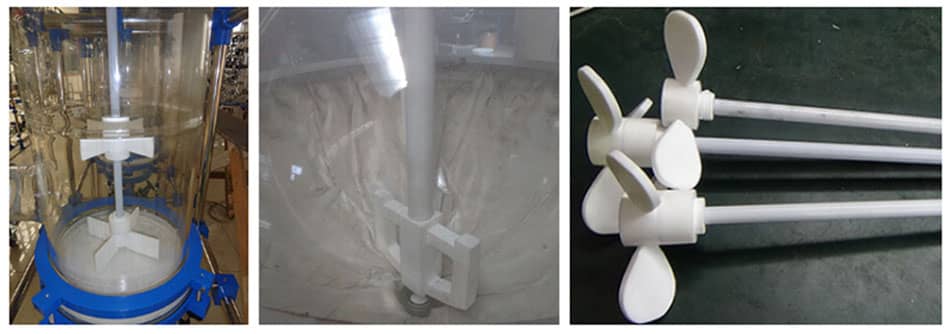
Agitation System: Equipped with a high-torque explosion-proof motor or a variable-frequency drive motor. The stirring paddle is usually designed in either a “propeller” or “anchor” configuration, made of 304 or 316L stainless steel clad with polytetrafluoroethylene (PTFE), ensuring no debris falls off under high-speed agitation while resisting acid and alkali corrosion.
Condensation and Reflux System: Standardly fitted with a high-efficiency serpentine condenser or a spherical condenser. During the reaction, solvent vapors are condensed and returned through the condenser tube, effectively preventing solvent loss due to evaporation and ensuring smooth reaction progress.
Reactor Lid and Ports: The reactor lid is equipped with multiple standard ground-glass ports, allowing for the installation of a constant-pressure dropping funnel, temperature sensor, condenser, solid feed port, and an inert gas inlet, thus meeting the requirements of complex synthetic processes.
Vacuum Sealing: Utilizing either mechanical seals or all‑PTFE‑encased sealing assemblies, it can maintain a vacuum level ranging from -0.098 MPa to 0.1 MPa, making it suitable for vacuum distillation or anhydrous, anaerobic reactions.
Wide range of applications
The 10L double-layer glass reactor plays an important role in modern research and production, with key application areas including:
Biopharmaceutical R&D: used for the synthesis of active pharmaceutical ingredients, purification of intermediates, and extraction and concentration of effective components from traditional Chinese medicines.
Fine chemicals: suitable for catalyst evaluation, polymerization reactions, and experiments involving the synthesis of pigments and dyes.
New energy materials: excels in the small-scale synthesis of lithium-ion battery electrolytes and both positive and negative electrode materials for sodium-ion batteries.
Cosmetics and food: used for the R&D and pilot production of high-end cosmetic additives, fragrances, and functional food ingredients.
Parameter Table for 5L and 10L Double-Jacketed Glass Reactors
Product Model
Product Model
PL-5L
PL-10L
Volume(L)
Volume(L)
5
10
Number of Pot Mouths
NeckNo.on Cover
5
6
Inner Cylinder Outer Diameter
External Diameter of Inner Vessel(mm)
180
230
Outer Cylinder Outer Diameter
External Diameter of Outer Vessel(mm)
230
290
Pot Cover Diameter
CoverDiameter(mm)
180
265
釜体长度
Vessel Height(mm)
400
450
电机功率
Motor Power(W)
120
120
真空度
Vacuum Degree(Mpa)
0.098
0.098
转速
Rotation Speed(rpm)
50-600
50-1400
Torque
Torque(Nm)
1.90
1.90
Power Supply
Power (V)
220
220
Overall Dimensions
Dimension(mm)
450*450*1200
650*650*1900
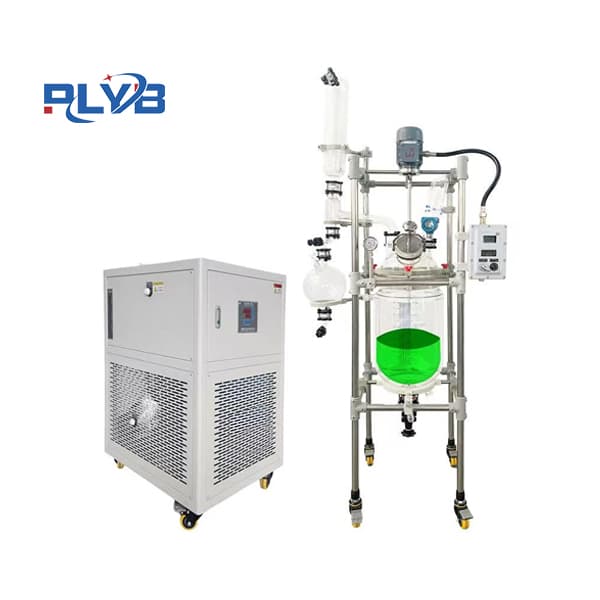
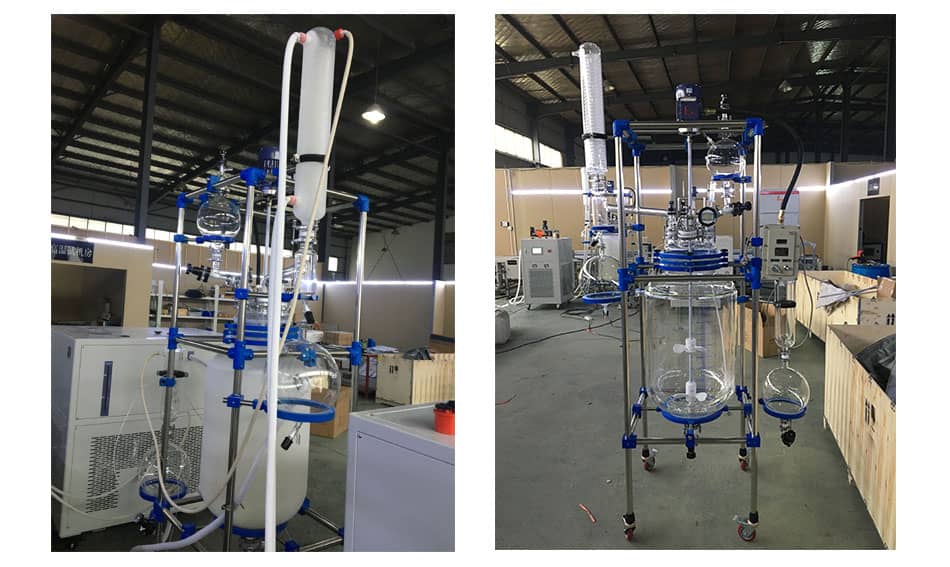
Real-life photos of a double-layer glass reactor
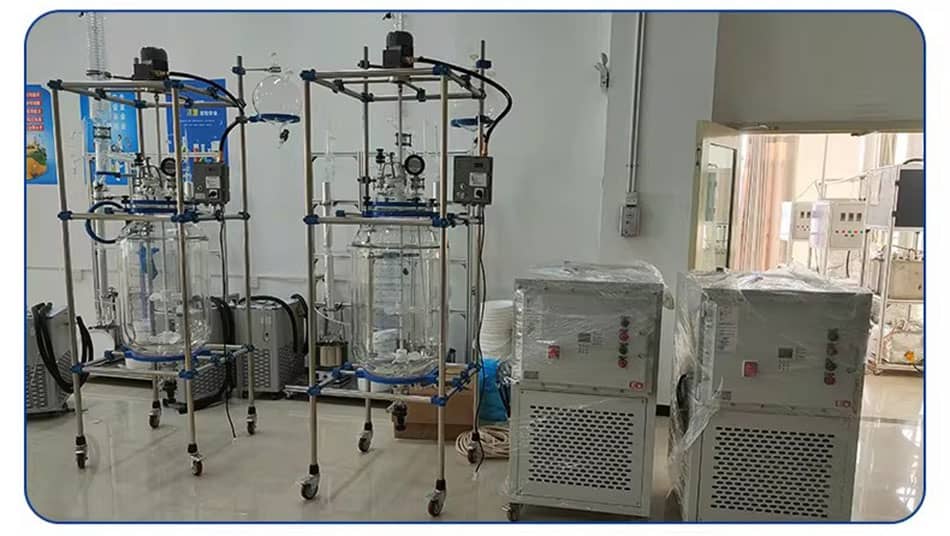
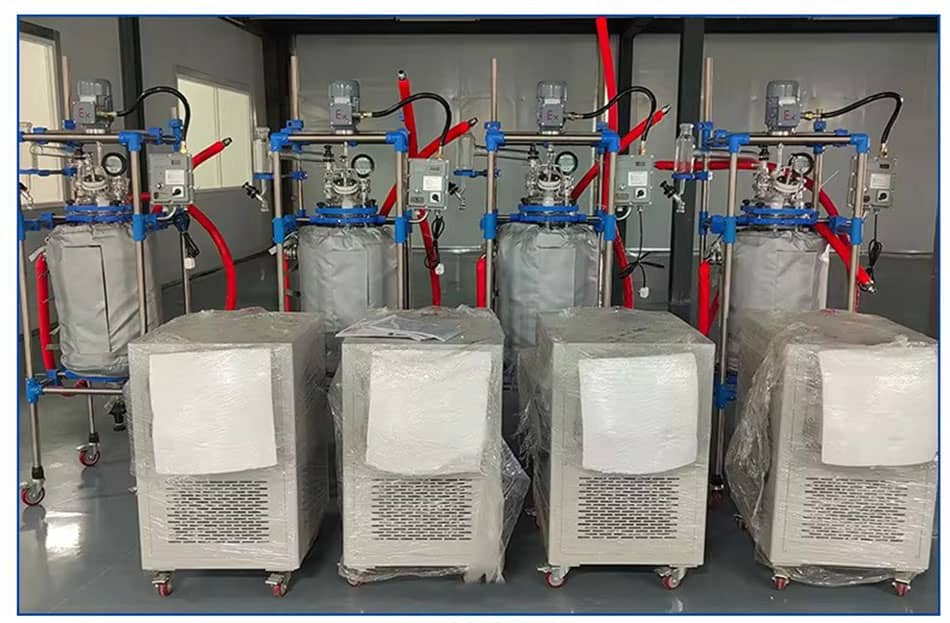
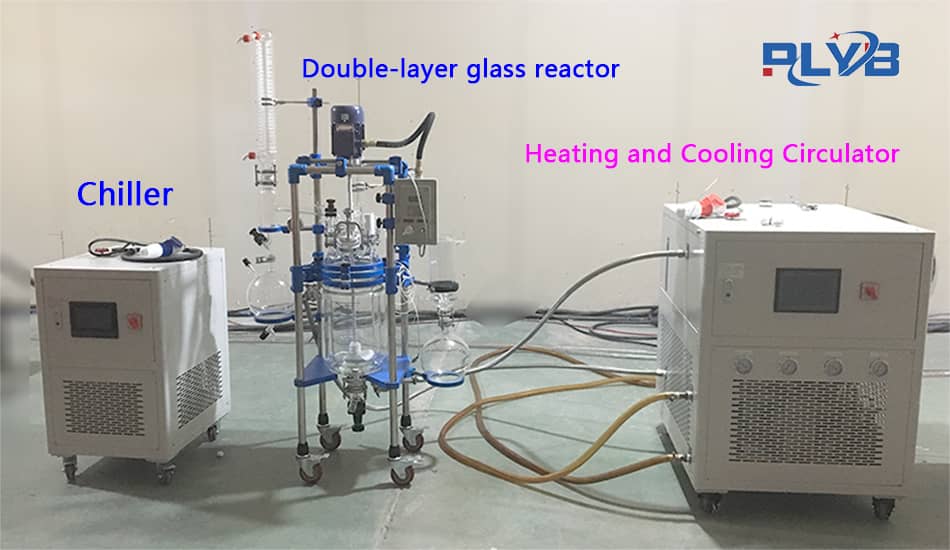
double-layer glass reactor, high-low temperature integrated unit and low-temperature circulator used in tandem
How to choose a high-quality 10L double-layer glass reactor?
When selecting this equipment, it is recommended to pay attention to the following points:
Material certification: Verify whether the reactor vessel is made of imported or domestically produced high-quality borosilicate glass, ensuring it is free of bubbles and impurities and exhibits excellent resistance to temperature fluctuations.
Sealing performance: Inspect the sealing components of the stirring shaft; good sealing is essential for achieving a high degree of vacuum.
Safety: The equipment should feature explosion-proof design—especially for the motor and electrical control box—and be equipped with safety features such as over-temperature alarms and overload protection.
Ease of operation: A support or frame design with lifting functionality—such as a liftable vessel body or lid—can greatly facilitate cleaning and discharge, thereby improving work efficiency.
aintenance and Care Recommendations
To extend the service life of the 10L double-jacketed glass reactor, routine maintenance is essential:
Cleaning: After the reaction is complete, promptly clean the inner wall of the reactor and the agitator to prevent residual materials from solidifying and causing blockages.
Inspection: Regularly check whether the sealing rings have aged and whether the fasteners are loose.
Jacket protection: When introducing hot or cold media, proceed gradually to avoid thermal shock that could cause the glass reactor vessel to crack due to rapid temperature changes.
Conclusion
The 10L double-jacketed glass reactor, with its precise temperature control, excellent visibility, and robust corrosion resistance, serves as a bridge between laboratory R&D and industrial-scale production. Whether considering the stability of process development or operational safety, investing in a high-quality 10L double-jacketed glass reactor is a crucial step toward enhancing R&D efficiency and reducing production costs.
If you are seeking a high-performance glass reactor solution, please contact us for more detailed technical specifications and customized services.
Related Products
Product Inquiry
Please leave your information, and we will contact you as soon as possible after receiving it. Thank you for your support!