简体中文
简体中文 English

Products
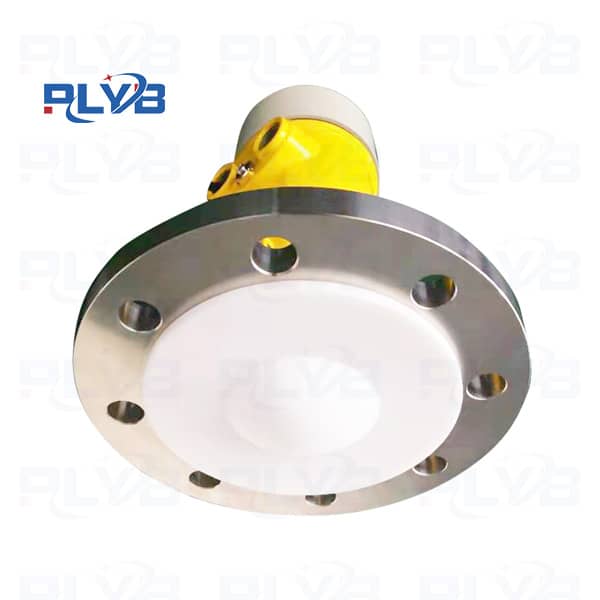
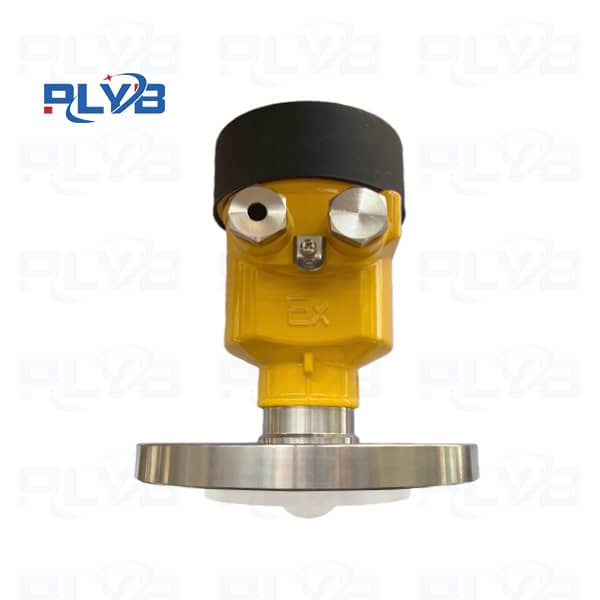
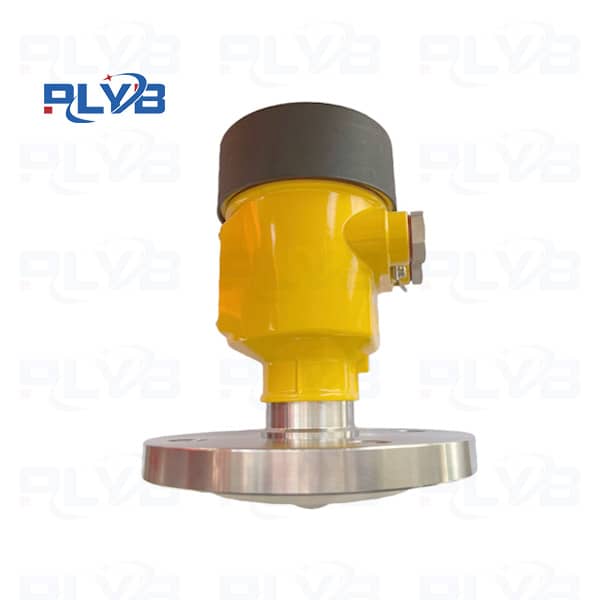
PULI 80G high-frequency radar level meter
- Product Description
-
Product Overview
The Ampuer 80G High-Frequency Radar Level Meter is a non-contact level measuring instrument using Frequency Modulation Continuous Wave (FMCW) technology, operating at frequencies from 76 to 81GHz (commonly referred to in the industry as the 80G band). The product can be widely used to measure the distance, material height, volume, and weight of liquids, slurries, and viscous substances, and can also be used to measure solid media such as powders, granules, and blocks. Compared with traditional low-frequency radars such as 6G and 26G, 80G radar offers significant advantages such as narrower beams, higher measurement accuracy, and smaller blind spots, making it better suited to complex industrial conditions such as dust, steam, and stirring. It has been widely used in industries such as petrochemicals, chemicals, metallurgy, building materials, power, and water treatment.
Core advantages
Millimeter-wave high-frequency technology with metrology-grade accuracy
Utilizing 80GHz millimeter-wave radar technology, measurement accuracy can reach up to ±1mm and repeatability of ±1mm, fully meeting the high standards for precise control, metrology and accounting. The shorter operating wavelength (about 3.75mm) results in superior reflectivity on the surfaces of fine particles and materials with low dielectric constants.
Ultra-narrow beam angle for precise target focusing
The minimum beam angle can reach 3°, with highly concentrated energy, effectively avoiding obstacles inside the tank such as agitators, coils, and supports, fundamentally preventing false detections caused by signal scattering and structural interference. Even in narrow silos or tanks containing internal components, it can accurately lock onto target echoes.
Ultra-small blind spots, wider coverage
The measurement blind spot can be as small as 8cm; the smaller the blind spot, the more suitable it is for measuring small storage tanks, shallow liquid levels, and materials near the tank bottom, effectively expanding the measurement coverage.
Ultra-large measurement range
The maximum measurement range can reach 120m, with solid materials (such as cement, coal, ore, etc.) commonly used in ranges of 30–60m, meeting the measurement needs of various large silos and storage tanks.
Strong penetration to adapt to complex working conditions
Based on CMOS millimeter-wave RF chip design, it achieves a more compact RF architecture and higher signal-to-noise ratio, unaffected by attenuation of radar echoes from steam and dust; It can still be stably measured for materials with weak reflective properties or low dielectric constants. It demonstrates unique performance advantages under harsh conditions such as high dust, high steam, and stirring.
Non-contact measurement ensures safety and reliability
Non-contact measurement method, no wear, no pollution, and poses no harm to human health or the environment. The full product line supports explosion-proof applications and can be installed in various metal and non-metal containers.
Multiple output and debugging methods
Supports multiple signal output methods such as two-wire 4-20mA+HART and RS485+Modbus, making it easy to connect to DCS, PLC, and other control systems. It also supports multiple debugging methods via LCD screens, including button operation, host computer software debugging, mobile Bluetooth debugging, and 4G remote debugging.
Technical specifications
Parameter items Specifications Operating frequency 76–81GHz (80G band) Measurement range 0.1–120m (optional 10m / 30m / 60m / 120m) Measurement accuracy ±1mm Repeatability ±1mm Blind spots ≤8cm Beam angle 3° (minimum); Optional 8° and 20° options Applicable dielectric constant ≥2 Process temperature -40℃~+200℃ Ambient temperature -40℃~+70℃ Process pressure -0.1~2.5MPa Protection rating IP67 (IP66/IP68 optional) Shell material Aluminum alloy / die-cast aluminum Antenna material PTFE / Stainless Steel (Optional) Supply voltage DC 24V(12V–28V) Signal output 4-20mA+HART / RS485+Modbus RTU Electrical interfaces M20×1.5 Explosion-proof rating Ex ia IIC T6 (optional) Installation method Threaded connections / flange connections The above parameters are typical specifications; please refer to the actual product configuration. Different models have different range and accuracy configurations. For details, please consult Ampuyi's sales engineers.
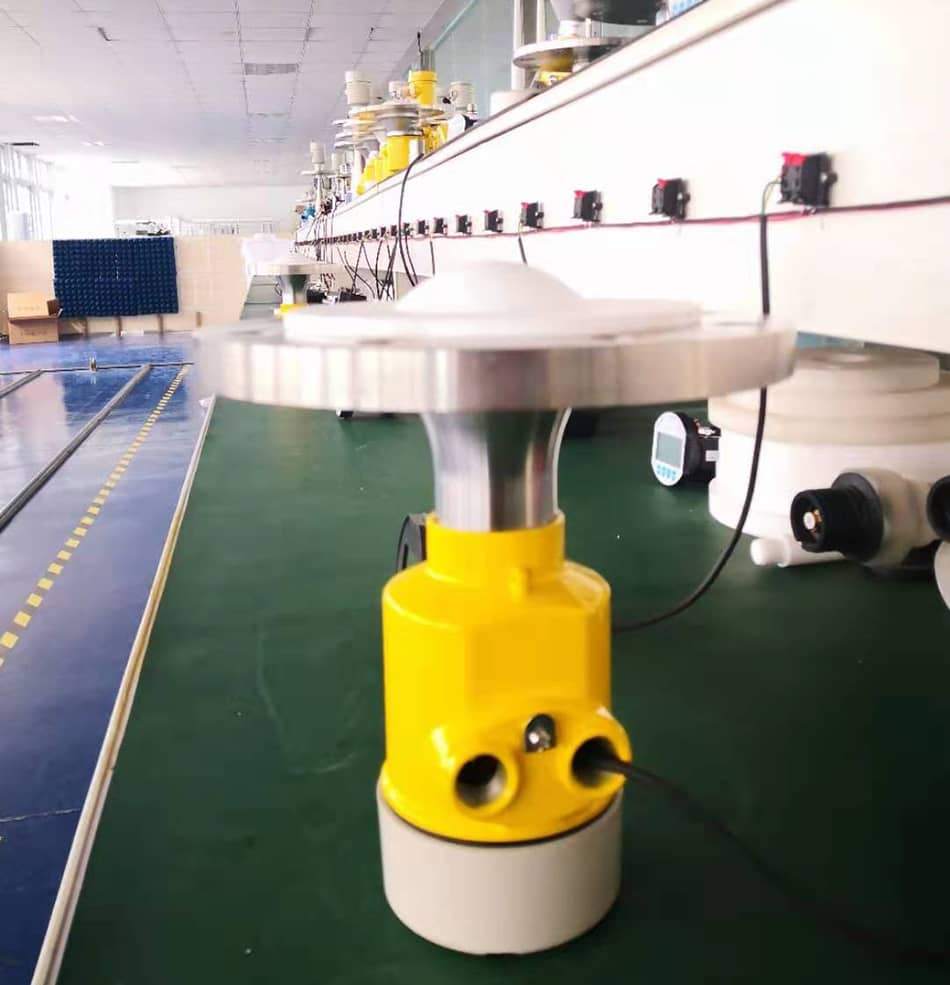
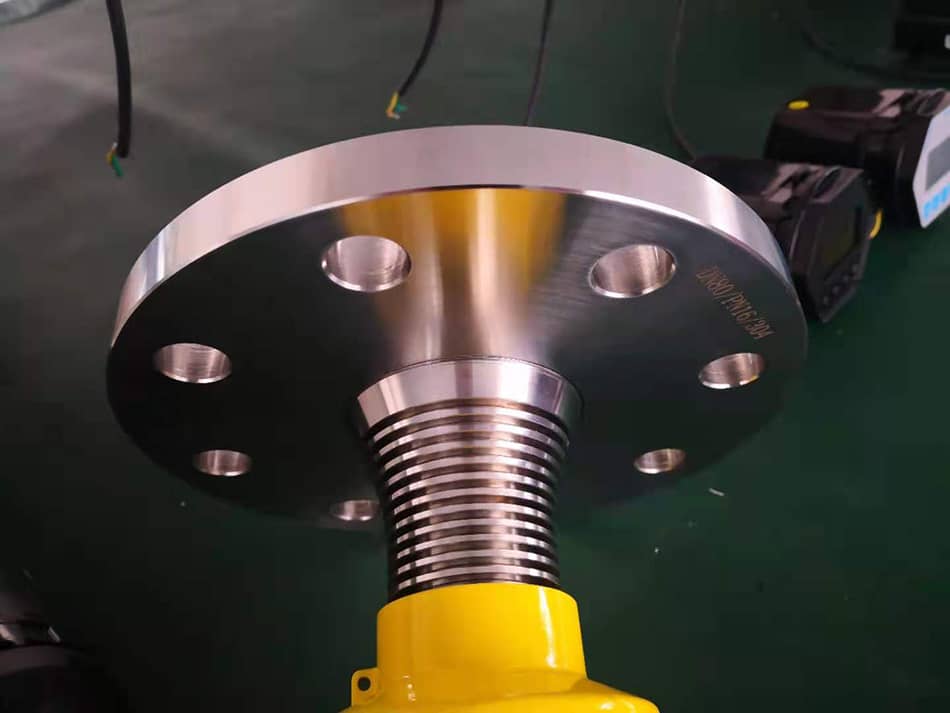
Product series
The Ampugi 80G high-frequency radar level meter offers multiple model configurations based on antenna structure, process connections, and applicable working conditions to meet the differentiated needs of different industries.
Standard lens antenna type uses a standard lens antenna design, with a beam angle of 3°, energy concentration, and a measurement range covering 0.08–120m, suitable for most conventional liquid and solid material measurement scenarios.
Small lens antenna type: The antenna is smaller in size, more flexible in installation, and has a measurement range of 0.08–72m, making it especially suitable for space-constrained installation and small-diameter storage tanks.
Anti-corrosion antenna type: The antenna material uses PTFE PTFE protective coating, resistant to acid and alkali corrosion, suitable for measurement scenarios involving highly corrosive media, with process temperatures up to 150°C.
Universal Purge Antenna Type: Equipped with universal adjustment mechanism and blowing interface, suitable for heavy dust and material attachment conditions. The beam direction can be flexibly adjusted, greatly reducing the impact of material accumulation on the antenna.
Working principle
The Ampu-Yi 80G high-frequency radar level meter uses advanced Frequency Modulated Continuous Wave (FMCW) technology. The equipment antenna continuously emits frequency modulation waves with a linear increase in frequency. When electromagnetic waves contact the material surface, they are reflected and received by the same antenna.
There is a frequency difference between the transmitted signal and the reflected echo signal, which is proportional to the distance from the antenna to the material surface. After Fast Fourier Transform (FFT) processing, the level height can be accurately calculated, and measurement data can be output to the control system via 4-20mA, Modbus, or HART signals, providing reliable data support for subsequent production control and monitoring.
Compared to traditional pulsed radar, FMCW technology offers greater measurement stability. Even in complex environments with high dust concentrations and steam or liquid level fluctuations, it can accurately capture echo signals, effectively avoiding missed or false detections and ensuring long-term reliability of measurement data.
Comparison with low-frequency radar
Contrast dimensions Ampuyi 80G high-frequency radar Traditional 6G/26G low-frequency radar Beam angle 3° (narrowest) 8°–12° Energy concentration Highly concentrated Relatively dispersed Anti-interference capability Strong and can effectively avoid obstacles such as stirring rods and brackets Weaker and easily affected by internal components Blind spots ≤8cm Usually, ≥ 20cm Measurement accuracy ±1mm ± 5mm or more Penetration It has strong ability to penetrate dust and steam Greatly affected by dust/vapor Adaptability to materials with low dielectric constant Good Poor Suitable for small storage tanks Good Restrictions With shorter wavelengths and narrower beam angles, the 80G radar achieves precise "focused" measurement of target materials, fundamentally reducing the risk of measurement errors caused by obstacles inside tanks and complex working conditions.
Typical applications
The Ampuyi 80G high-frequency radar level meter is widely used in the following industries and working conditions:
Petrochemical Continuous measurement of liquid level/material level in crude oil storage tanks, refined product tanks, chemical reactors, acid-base storage tanks, polymer material silos, etc.
Metallurgical industry: Measurement of material level for solid materials such as ore silos, fly ash silos, limestone silos, and iron concentrate silos.
Building materials industry: Measurement of large granular and powdered materials such as cement finished product silos, raw material silos, clinker silos, pulverized coal silos, and gypsum silos.
Power industry: Level measurement under conditions such as raw coal silos, limestone powder silos, ash silos, and desulfurization slurry pools.
Water treatment industry: Monitoring of clear water tanks, sewage treatment tanks, sedimentation tanks, concentration tanks, etc.
Food and pharmaceuticals: For hygiene-grade measurement scenarios such as edible oil tanks, syrup tanks, liquid raw material tanks, and powder raw material silos, optional polished stainless steel antennas are available.
The above are typical application cases. For product selection tailored to specific operating conditions, please contact the Anpu Yi technical team for professional selection advice.
Installation guide
To ensure the Ampumeter 80G high-frequency radar level meter achieves optimal measurement results, please pay attention to the following during installation:
Installation Location Selection: When installing the instrument, try to avoid interference within the antenna beam range, such as stirring blades, ladders, brackets, and protruding structures. The installation position should be away from the feed inlet to avoid direct impact of the feed flow on the beam area.
Avoid container walls: Instruments should be installed at least 20cm away from the container wall; otherwise, incorrect readings may occur.
Liquid Applications: Try to ensure the mounting flange is parallel to the liquid surface, so that the transmitted electromagnetic waves enter the liquid surface perpendicular to obtain the strongest echo signal.
Solid applications: The installation angle can be appropriately relaxed according to the material's stacking angle; If the material accumulation angle is large and a small measurement blind spot is required, it is recommended to use a universal structure to adjust the launch direction so that it points as vertically as possible toward the material surface.
Tapered container measurement: If you need to monitor the complete loading and unloading process, it is recommended to use universal flanges to ensure the beam reaches the bottom of the tank as much as possible; If the bottom material level can be ignored, the installation plan can be simplified.
Short Pipe Installation: The length and diameter of the installation pipe should meet the product's launch angle requirements; overly long pipe installation will affect radar performance.
False echo learning: After installation, it is recommended to implement the "false echo learning" function, allowing the instrument to automatically identify and filter interference signals generated by fixed obstacles inside the tank, further improving measurement accuracy and stability.
Intelligent communication and debugging
The Ampuyi 80G High-Frequency Radar Level Meter offers multiple adjustment modes to meet operational needs in different scenarios:
Local debugging Equipped with a 128×64 dot matrix LCD display and 4 function buttons, various parameters can be set through the menu, and measurement values can be clearly read through the glass window.
Upper computer debugging: Connect to the PC via USB-to-RS485 serial cable or USB to HART modem, and use the host computer software for parameter configuration, echo curve analysis, firmware upgrades, and other operations.
Bluetooth Debugging: Built-in Bluetooth 5.0 module, allowing on-site personnel to wirelessly debug via mobile phones without climbing the tank or opening the casing, greatly enhancing operational safety and convenience.
Remote Debugging Supports 4G network remote connection, enabling remote modification of parameters, status monitoring, and fault diagnosis via the cloud platform, effectively reducing operation and maintenance costs and response times.
Model selection instructions
During the selection process, please confirm the following key information based on actual working conditions:
Measurement medium: Is the material being measured liquid or solid? Is it corrosive? What is the approximate dielectric constant?
Range requirements: What is the total height of the storage tank or silo? What is the maximum installation height?
Operating environment: process temperature range and process pressure range? Are there interference factors such as steam, dust, foam, stirring, or material hanging?
Installation conditions: Are the existing mounting interfaces threaded or flanged? What are the interface dimensions? Are there space constraints?
Explosion-proof requirements: Is the site considered a flammable and explosive area? What kind of explosion-proof rating is required?
Output signal: Do you need 4-20mA + HART or RS485 + Modbus? Is it necessary to connect to a DCS system?
If you need assistance with model selection, please contact the Ampuyi sales technical team. We will provide professional customized solutions based on your working conditions.
Service and support
Anpu Instrument always adheres to the service philosophy of "quality first, customer foremost," dedicated to providing customers with high-quality industrial instruments and meters and professional technical services. We offer:
Product selection consulting and technical support
On-site installation and commissioning guidance
Operation and maintenance training
After-sales technical Q&A and fault diagnosis
Product upgrades and parts supply
For more product information or a quote, please contact us through the following methods:
Service hotline: 18205504327
Official website: www.ahplkj.com
Company address: Standard factory building No. 9, Phase I, SME Park, Chuzhou High-tech Zone, Tianchang City, Chuzhou, Anhui Province
Related Products
Product Inquiry
Please leave your information, and we will contact you as soon as possible after receiving it. Thank you for your support!