简体中文
简体中文 English

Products
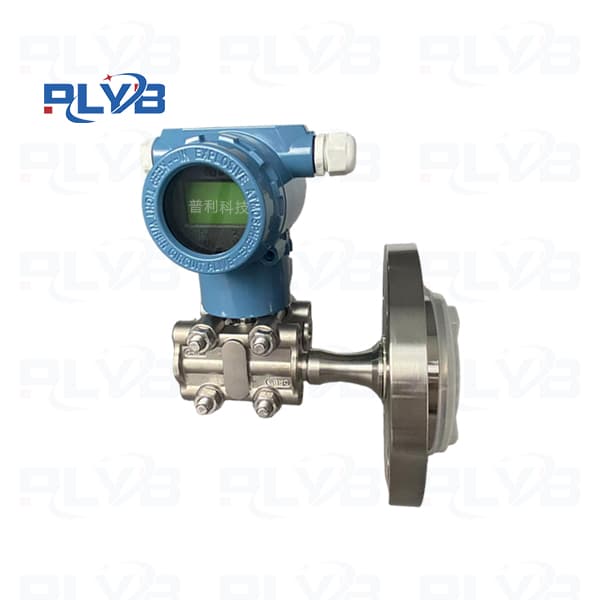
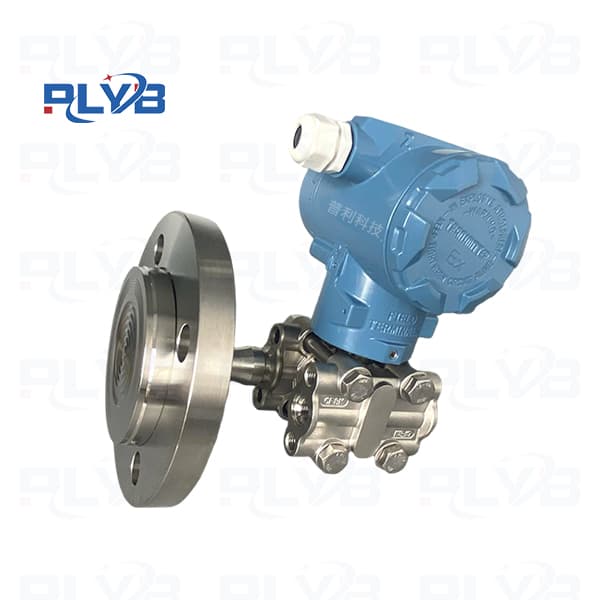
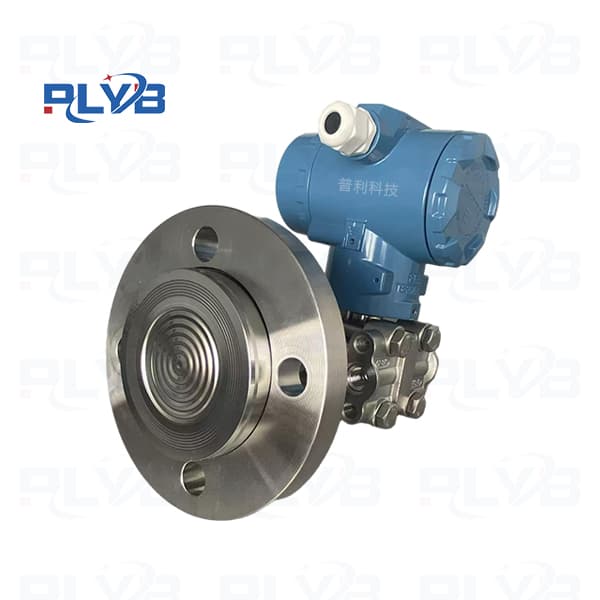
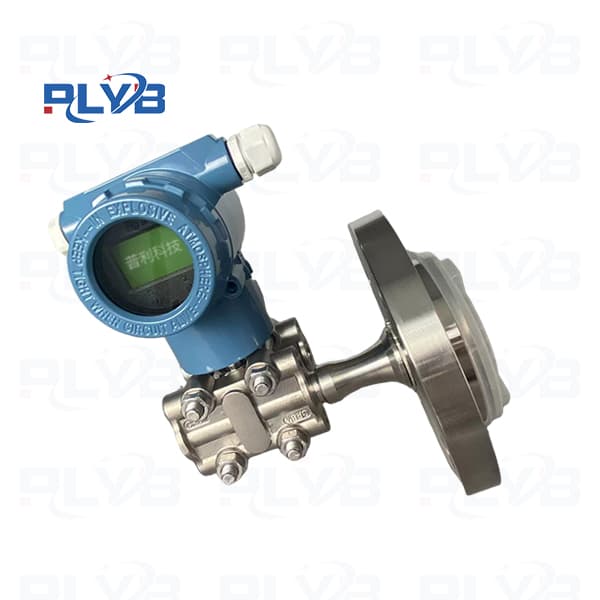
LT single-flange level transmitter
- Product Description
-
Core product positioning
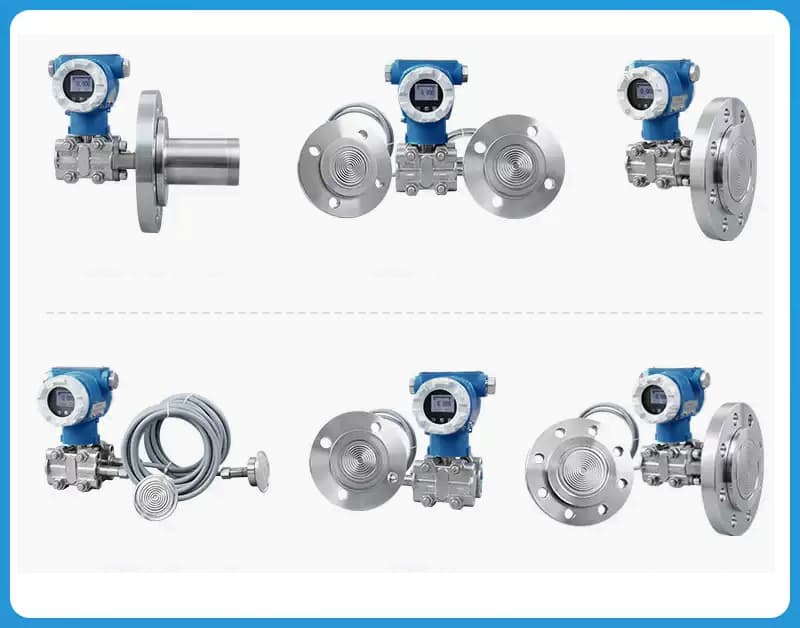
The single-flange level transmitter is a high-precision level instrument based on the principle of differential pressure measurement, directly sensing medium pressure through the flange diaphragm and converting it into a standard signal. Its main feature is that only one measuring flange is directly connected to process equipment, while the other side (low-pressure side) directly passes through the atmosphere or pressure is drawn through capillaries. The structure is streamlined, installation and maintenance are convenient, making it especially suitable for open tanks, pressurized storage tanks, and liquid level and boundary measurement scenarios requiring plug-in installation.
Product images
Product Overview
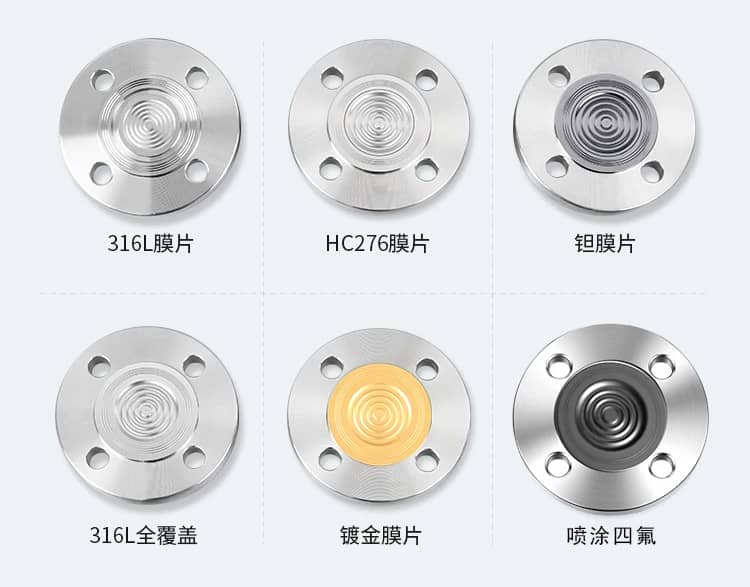
This series of single-flange level transmitters uses high-performance monocrystalline silicon or diffusion silicon sensor cores, combined with fully welded sealed flange diaphragms, enabling precise measurement of liquid level, density, and boundary levels of liquids, slurries, and flowable media. The products offer various flange standards, liquid connection materials, and diaphragm coating solutions, capable of handling complex conditions such as corrosiveness, viscosity, high or low temperature, and hygiene standards. Its 4-20mA combined HART communication output method allows seamless integration with PLC, DCS, and other control systems, making it an ideal field instrument for process automation and digital factories.
Core performance parameters
Measurement range: 0~3kPa to 0~10MPa (customizable according to liquid level height, minimum range up to 10kPa)
Output signal: 4~20mA DC + HART protocol (with RS485/Modbus options available)
Accuracy grades: 0.075%FS, 0.1%FS, 0.2%FS available
Long-term stability: ≤±0.1% FS/year
Power supply: Standard DC24V
Ambient temperature: -40°C~+85°C
Process temperature: -40°C~+200°C (generally -40~150°C when filling silicone oil; high temperature oil can be filled with high and low temperature oil)
Protection level: IP67 / IP68 options available
Explosion-proof rating: Ex db IIC T5 Gb
Liquid-Absorbing Diaphragm Material: 316L stainless steel, Hastelloy C-276, tantalum, Monel, PTFE laminated diaphragm (corrosion-resistant type)
Flange material: 304 stainless steel, 316L stainless steel, other alloys
Flange standards: DIN, ANSI, JIS, GB (such as DN25/DN50/DN80/DN100, etc., pressure ratings PN1.0~PN10.0MPa)
Display head: Rotatable LCD field display showing liquid level, percentage, current, and diagnostic information
Structural principle
The working principle of the single-flange level transmitter is based on the classic static pressure measurement formula: liquid column pressure P = ρ×g×H.
The transmitter flange diaphragm comes into direct contact with the medium being measured, sensing the pressure generated by the liquid column. The high-pressure side senses the full pressure through the flange pressure extraction port, while the low-pressure side directly passes through the atmosphere if measuring an open container; If measuring sealed vessels with pressure, capillary tubes can be used for remote transmission to connect the low-pressure side to the equipment's vapor chamber. The internal sensor converts the pressure difference into an electrical signal, which is amplified and compensated to output a standard current signal linearly related to the measured liquid level.The unique single-flange design reduces the number of spare parts, eliminates the hassle of long pressure extraction pipes clogging, leakage, and insulation tracing issues, making it especially suitable for media with high viscosity, prone to crystallization, or containing suspended solid particles.
Product advantages
Multi-layer anti-corrosion and anti-adhesion diaphragms:
Choose 316L, Hastelloy, tantalum diaphragms, or apply PTFE spraying/lamination. When facing strong acids and alkalis, highly viscous slurries, or crystalline media, it greatly extends service life and reduces cleaning and maintenance cycles.Compact integrated structure, maintenance-free,
fully welded seal, no moving parts, vibration-resistant, and impact-resistant. Protection rating up to IP68, can be installed directly or flooded, long-term operation with zero drift and minimal drift.Wide temperature and environmental adaptability:
Through the selection of internal filling fluids (silicone oil, fluorine oil, etc.) and heat sink design, it can adapt to process temperatures from deep cold up to 200°C, suitable for harsh environments such as outdoor environments, tank areas, and humid wells.Fully equipped intelligent functions:
built-in self-diagnosis, temperature compensation, and linear processing functions. Through the HART controller or host computer, the range can be configured on-site, zero migration, damping time, output functions, and more, greatly reducing debugging difficulty.Hygienic and sterile connections:
For the food and pharmaceutical industries, we can provide quick-install chucks, SMS, DIN 11850, and other hygienic flanges. The diaphragm surface is polished to Ra≤0.4μm, meeting CIP/SIP cleaning requirements and meeting 3-A standards.Diversified installation methods:
Provides side-to-side flanges, insert-type flanges, extended diaphragms, and other structures, solving installation challenges caused by thick insulation layers and effectively reducing dead zone impact.
Model selection guide
To ensure accurate selection, please provide the following operating parameters. Our engineers will offer you a one-on-one precise solution:
Name and main components of the tested medium (regarding material compatibility)
Operating temperature and maximum/minimum pressure
Measurement range (actual height from lowest to highest liquid level)
Equipment type: Open tank / pressurized sealed tank
Flange standards, nominal diameter, and pressure rating (or specifications of flanges to be paired)
Check whether the medium is viscous, crystallized, and contains solid particles
Check for explosive gases or dust in the environment (determine explosion-proof form)
Whether on-site display is needed or HART communication is required
Special requirements (such as hygienic type, coated diaphragm, negative pressure resistance, high-temperature heat dissipation, etc.)
Typical application scenarios
Chemical and petrochemical: Reactors, storage tanks, underground solvent pools, liquid levels, suitable for corrosive liquids
Water treatment and environmental protection: sewage tanks, collection wells, dosing tank liquid levels, anti-fouling resistance
Food and Brewing: milk storage tanks, fermentation tanks, edible oil tanks—hygienic, smooth, and no-blind spots
Power and energy: condenser hot water wells, deaerator water tanks, diesel storage tanks
Metallurgy and papermaking: black liquor, white liquor, pulp pool, abrasion-resistant and high-concentration fiber media measurement
Pharmaceuticals and Bioengineering: Purified water storage tanks, culture medium preparation tanks, fully enclosed sterile design
Installation and maintenance precautions
Installation Position: The
flange center should be installed below the container's minimum measured liquid level to prevent the introduction of negative pressure. If the bottom of the container cannot be opened, an insertion-type single flange can be used, ensuring the insertion depth exceeds the zero liquid surface layer.Sealing and Torque: Use matching gaskets during
installation and symmetrically tighten bolts to prevent diaphragm deformation or damage caused by force on one side.Zero Migration After
installation, zero position calibration is required, especially when there is a height difference between the diaphragm position and the actual zero liquid level, or when pressure is affected by the low-pressure side. Zero point migration settings can be performed using the HART controller or meter buttons.Vacuum Protection:
If the container may be vacuumed, be sure to specify this when ordering. Special filling solution and diaphragm treatment are required to prevent diaphragm outer bulges and rupture.Blocking and Flushing:
For measuring crystalline or precipitating media, it is recommended to use a flange structure with a rinsing ring to regularly rinse the diaphragm surface.Cables and grounding:
Electrical connections should use shielded cables, and the shielding layer should be reliably grounded. Explosion-proof environments must comply with relevant explosion-proof wiring regulations. Cable inlets must be tightly sealed to maintain IP protection ratings.
Project cases and client testimonials
"After replacing the original top-mounted guided wave radar with an insert-type single-flange liquid level transmitter, the interference from material vapor condensation completely disappeared, measurements became stable, and only one routine inspection was needed each year." — Instrument supervisor at a fine chemical company
"We installed a single flange with PTFE laminated diaphragm in acidic raw material tanks, and for 24 months now, there has been no corrosion leakage, reducing spare parts costs by 35%." — A certain battery material manufacturer
Related Products
Product Inquiry
Please leave your information, and we will contact you as soon as possible after receiving it. Thank you for your support!