简体中文
简体中文 English

Products
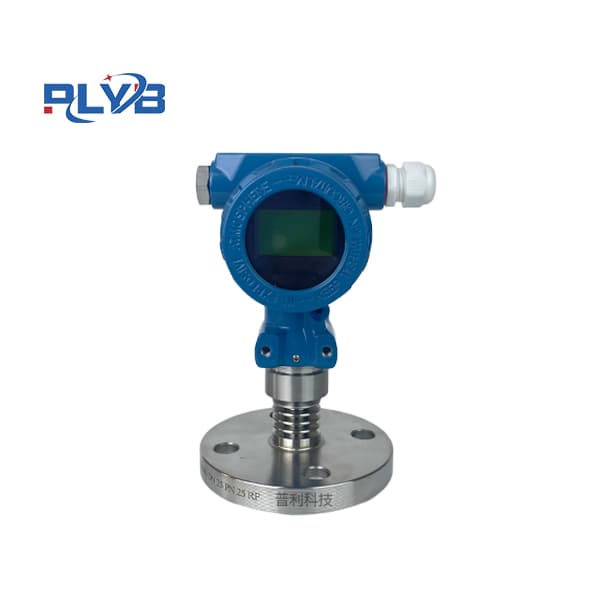
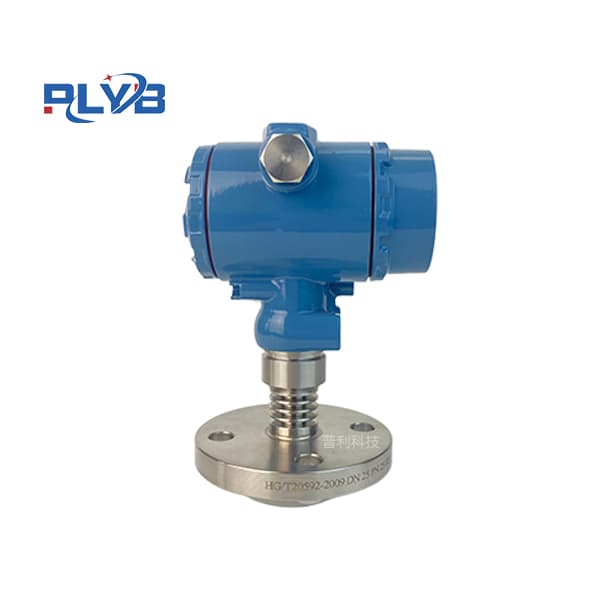
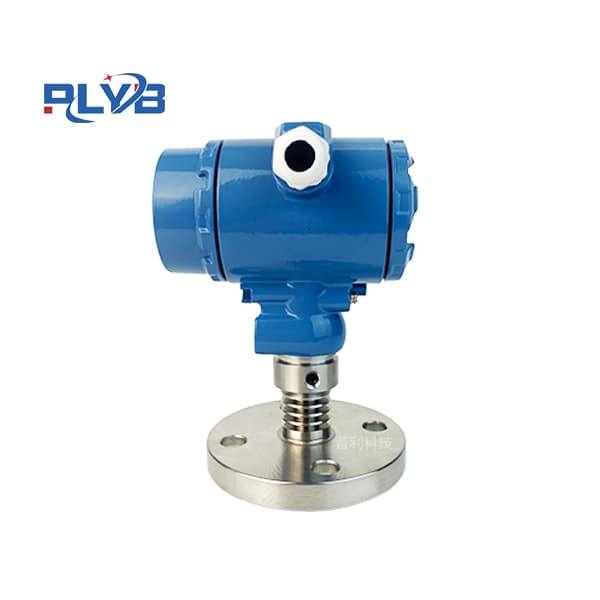
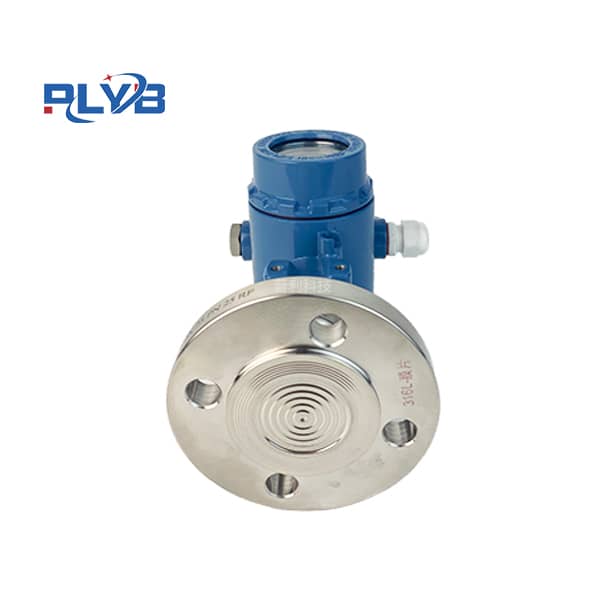
Single-flange diaphragm pressure transmitter
- Product Description
-
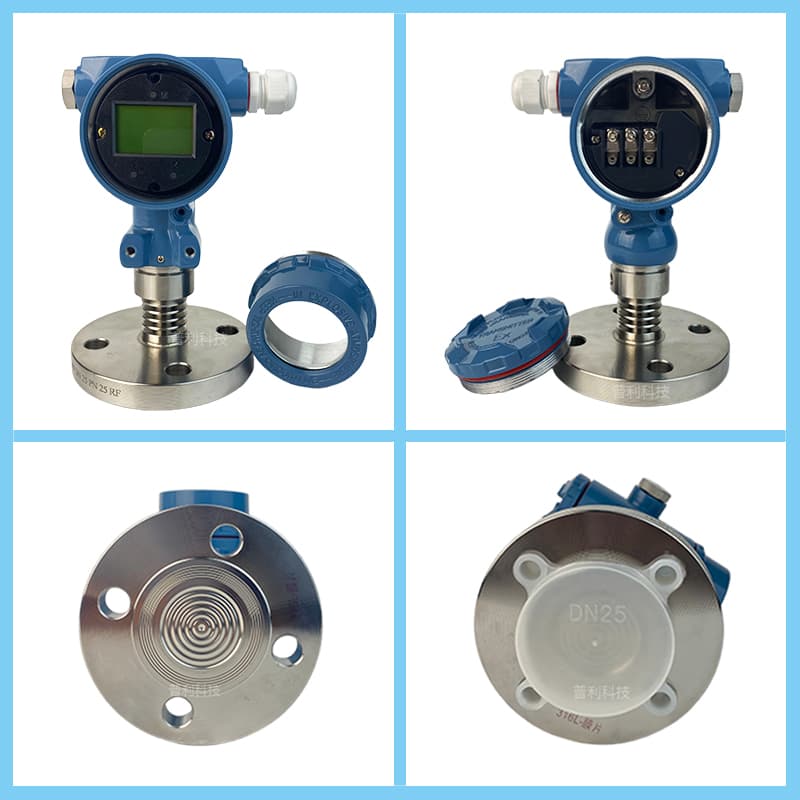
The single-flange diaphragm pressure transmitter (also known as the flat flange diaphragm pressure transmitter or single-flange pressure transmitter) is specifically designed to measure the pressures of viscous, easily crystallized, particle-containing or highly corrosive media. It uses diaphragm sealing technology to isolate sensors from process media, effectively preventing pipeline blockages and instrument damage. It is widely used in industries such as petroleum, chemical, pharmaceutical, food, environmental protection, and papermaking.
What is a single-flange diaphragm pressure transmitter?
The single-flange diaphragm pressure transmitter is a pressure measuring instrument with a flange mounting interface. Its front end is a large area of metal isolation diaphragm (usually made of stainless steel, Hastelloy, tantalum, etc.), which is directly mounted on the side wall (or bottom) of the tank or pipeline via flanges. Process pressure is transmitted via filled silicone oil or inert liquid to the pressure sensor at the rear, where it is converted into standard electrical signal outputs such as 4-20mA, HART, RS485, etc.
Compared with ordinary pressure transmitters, it has no pressure extraction holes or pressure guide tubes, completely solving the problem of blockage in viscous media.
Product highlights
- High accuracy: 0.1%, 0.5% F.S
- Range and external zero point are continuously adjustable, with a range ratio of 100:1
- Positive migration can reach 500%, negative migration can reach 600%.
- Good stability, stability: 0.25%, 60 months
- Contact diaphragm materials are optional; Mortgage casting aluminum alloy shell
- Miniaturized all-stainless steel flanges are easy to install
- The process is compatible with other products to achieve optimal measurement
- Standard 4-20mA, with HART protocol
Core Advantage – Why Choose the Single-Flange Diaphragm Structure?
Anti-clogging design: No dead corners or pressure guide holes, suitable for high-viscosity media such as pulp, pulp, slurry, glue, and asphalt.
Strong corrosion resistance: Diaphragms can be selected from 316L, Hastelloy C-276, Monel, Tantalum, titanium, etc., suitable for corrosive environments such as acids, alkalis, and brine.
High-temperature medium: Filled with high-temperature silicone oil or fluorine oil, can measure medium temperatures up to 350°C (requires heat sink).
Easy installation and maintenance: fixed directly with flange bolts, no need for heat tracing or flushing of pressure guide tubes.
High precision and good stability: The smart sensor offers an optional ± 0.1% accuracy, minimizing long-term drift.
Typical application scenarios
Industry Typical medium Petrochemicals Crude oil, heavy oil, asphalt, polymer slurries Pharmaceutical/Biological Fermentation broth, medicinal liquid, paste (meeting hygiene requirements) Food and beverages Jam, chocolate sauce, concentrated fruit juice (flat noodles with sanitary flange) Environmental protection/water treatment Sludge, lime slurry, flocculants Papermaking Pulp, black liquor, coatings Metallurgy/Mining Slurry, tailings, mud Main technical parameters
Measurement range: 0–5kPa to 0–60MPa (or absolute pressure)
Output signal: 4-20mA, 4-20mA+HART, RS485 Modbus, 0-10V
Accuracy grades: ±0.1%, ±0.5%
Diaphragm materials: 316L, Hastelloy C276, tantalum, titanium, Monel, sprayed PTFE
Flange standards: HG/T20592, ANSI B16.5, DIN, JIS (customizable upon request)
Flange specifications:D N25 / DN40 / DN50 / DN80 / DN100, PN0.6–PN40
Filler: Silicone oil (regular), high-temperature silicone oil, low-temperature silicone oil, fluorine oil (resistant to strong oxidation)
Protection rating: IP65 / IP67
Explosion-proof rating: Ex ia/ib IIC T4~T6, Ex d Explosion-proof type
How to choose a model? Key considerations
When selecting a "single flange diaphragm pressure transmitter," please confirm the following six points:
Medium characteristics: Is it viscous, easily crystallifiable, highly corrosive, and contains solid particles?
Process temperature and pressure: Are the highest/lowest temperatures and maximum pressures matching the diaphragm and filler?
Flange Specifications and Materials: On-site Flange Matching Standards? Do diaphragms require Hastelloy alloy or coatings?
Output and Power Supply: 4-20mA or Digital Communication? Is explosion-proof required?
Installation location: tank top, sidewall, or bottom? Do flanges need to be extended (such as 2"~5" extensions)?
Hygiene requirements: For food/pharmaceutical applications, a clip-type hygienic flat diaphragm must be selected and meet 3A/EHEDG standards.
Frequently Asked Questions (FAQ)
Q: What is the difference between a single flange diaphragm transmitter and a standard pressure transmitter?
Answer: Ordinary transmitters conduct pressure through pressure extraction holes and are easily blocked by sticky substances; The single-flange diaphragm transmitter uses a large area to isolate the diaphragm, with no pressure extraction holes, ensuring thorough blockage prevention.Q: Can you measure negative pressure or vacuum?
Answer: Yes, but a specially designed diaphragm structure must be selected, and the filling liquid must not vaporize. It is recommended to specify "vacuum application" when ordering.Q: How should high-temperature media be handled?
Answer: You can add heat sinks (condensers) and select high-temperature filler liquid, with a maximum temperature resistance of 350°C.Q: Does it support in-place display?
Answer: An optional LCD digital display gauge is available for real-time pressure reading.
Related Products
Product Inquiry
Please leave your information, and we will contact you as soon as possible after receiving it. Thank you for your support!