简体中文
简体中文 English

Products
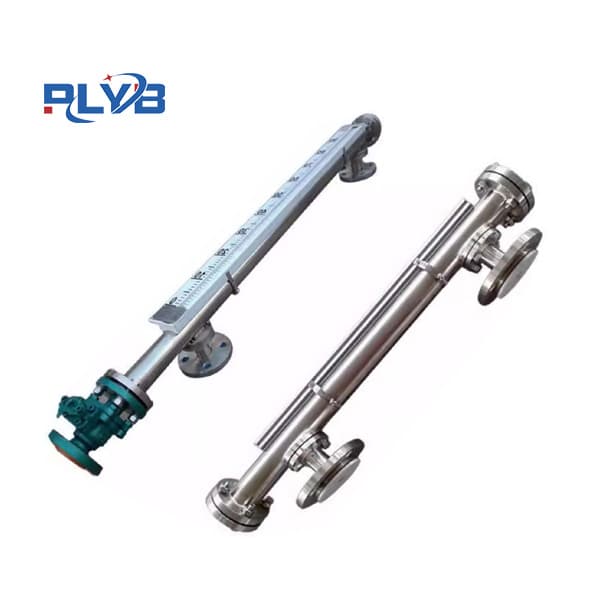
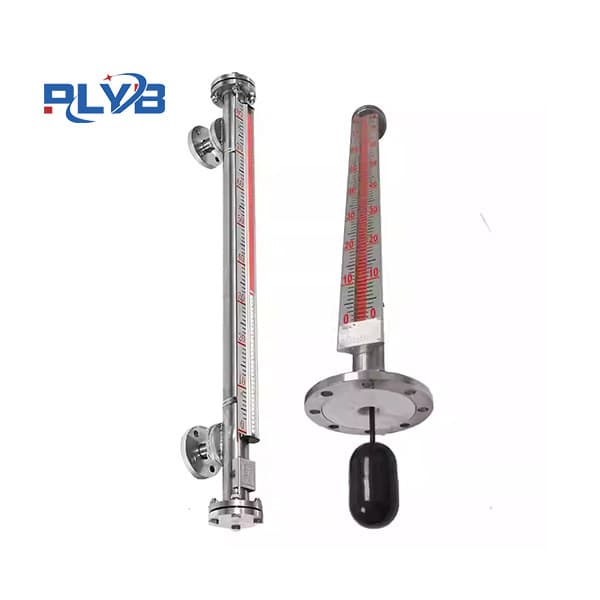
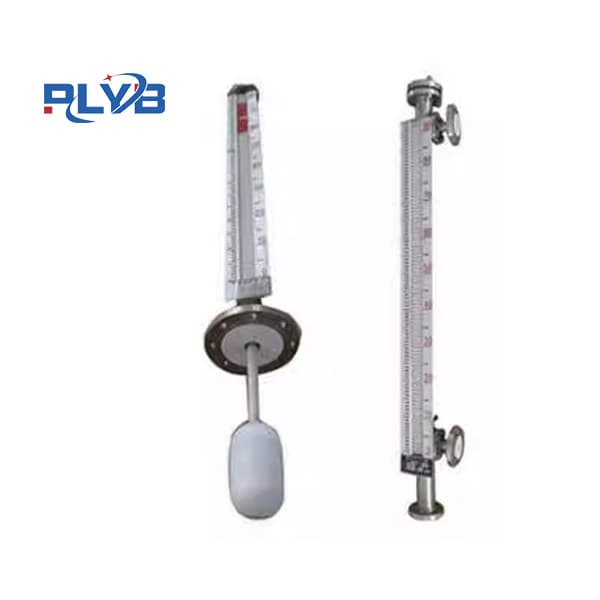
PTFE-lined magnetic flap level meter
- Product Description
-
Introduction to PTFE-lined magnetic flap level gauges
1. Product Overview
PTFE-lined level gauges are standard stainless steel (usually 304 or 316L) main pipes lined with a layer of polytetrafluoroethylene (PTF) on the inner wall. It inherits the advantages of magnetic flip plate level gauges such as intuitive display, no need for power, and remote transmission, while leveraging PTFE's excellent corrosion resistance to solve the challenge of level measurement in highly corrosive media.
This product is widely used for liquid level measurement of highly corrosive liquids such as hydrochloric acid, sulfuric acid, aqua regia, hydrofluoric acid, chlor-alkali, and organic solvents, making it an ideal choice for corrosive conditions in industries such as chemical, pharmaceutical, hydrometallurgy, and environmental protection.
2. Why is PTFE lined necessary?
Although ordinary 316L stainless steel has some corrosion resistance, it can still be corroded in the following media:
Type of medium Standard 316L Lined with tetrafluorine Hydrochloric acid (any concentration) ❌ It is corrosion-resistant ✅ Excellent Dilute sulfuric acid ⚠️ Usable, but not ideal ✅ Excellent Concentrated sulfuric acid ❌ Not patient ✅ Excellent (≤180°C) Regia water ❌ Severe corrosion ✅ Excellent Hydrofluoric acid ❌ Not patient ✅ Excellent Chlor-alkali solution ⚠️ Usable, but not ideal ✅ Excellent Organic solvents ✅ Available ✅ Excellent Conclusion: For strong acids, strong bases, strong oxidizers, and organic solvents, PTFE-lined magnetic flap level gauges are one of the best choices.
3. Product Structure Features
Structural features Explanation PTFE lining is provided The inner wall of the main pipe is evenly lined with a 3~5mm thick PTFE layer, completely isolating the medium from the metal pipe wall Corrosion-resistant float The float is either PTFE-wrapped or fully PTFE material, ensuring all parts in contact with the medium are corrosion-resistant Special guiding structure Because PTFE has a low surface friction coefficient (0.05~0.1), the float rises and falls more smoothly and is less prone to jamming Flip column display The external flip column is still made of stainless steel and is not affected by medium corrosion Connection flange liner fluorine The flange sealing surface is lined with PTFE to ensure the entire process is leak-proof 4. Product Features
✅ Outstanding corrosion resistance:P TFE is resistant to almost all chemical media (except molten alkali metals and high-temperature fluorine gas)
✅ Intuitive red-and-white display: no power required, liquid level reading directly on site
✅ Low friction without jamming:P TFE has good self-lubrication and smooth float lifting
✅ Compatible with remote transmission signals: optional 4-20mA output or switch alarm, connected to DCS/PLC
✅ Fully sealed with no leakage: PTFE-lined structure prevents contact between the medium and metal, eliminating the risk of corrosion and leakage
✅ Applicable temperature range: -40°C ~ 180°C (higher temperatures can be customized with PFA lining)
✅ Explosion-proof options: intrinsically safe or flameproof type, suitable for flammable and explosive environments
5. Main Technical Parameters
Parameter items Typical values Measurement range 300mm ~ 6000mm (customizable) Work pressure ≤ 1.6MPa (PTFE-lined structural pressure resistance is limited by PTFE characteristics) Operating temperature -40℃ ~ 180℃ Medium density ≥ 0.68 g/cm³ (PTFE float density is relatively high) Main material 304/316L PTFE liner (3~5mm) Float material PTFE wrapped type or full PTFE float Flange connection DN25/DN50/DN80, etc. (HG/T, GB, ANSI standards) and transmitted far away 4-20mA (two-wire system), switching alarm Protection rating IP65 Explosion-proof rating Exia IICT6 / Exd IICT6 Note: The working pressure of PTFE-lined structures usually does not exceed 1.6 MPa. If higher pressure is required (such as above 2.5 MPa), alternative solutions such as PFA or ECTFE spraying are recommended.
6. Typical Application Scenarios
Industry Typical medium Chlor-alkali chemical industry Hydrochloric acid, liquid chlorine, sodium hypochlorite Sulfuric acid plant Dilute sulfuric acid, concentrated sulfuric acid (≤93%) Pharmaceutical industry Various organic acids, solvents, and reaction solutions Wet metallurgy Corrosive leachate, electrolyte Environmental wastewater Acidic wastewater, fluoride-containing wastewater Electronic chemicals Hydrofluoric acid, high-purity reagents 7. Key Points for Model Selection
When selecting models, please provide the following parameters for accurate quotation and customization:
Medium name and concentration (key!) Determine whether it is applicable)
Operating temperature (determines PTFE or PFA)
Working pressure (PTFE-lined usually ≤ 1.6MPa)
Measurement range (center distance between upper and lower flanges)
Connection Flange Specifications (Standards and Dimensions)
Do you need remote transmission signals (4-20mA/switching level)
Is explosion-proof required?
8. Precautions for Installation and Use
Handle gently: Avoid impacts during transportation and installation to prevent damage to the PTFE lining
Flange sealing: Use PTFE gaskets, apply even force when tightening bolts to prevent deformation of the lining layer
Slow liquid intake: open the valve slowly during the first use to prevent damage from the float impact
To avoid negative pressure:P the TFE lining may peel off under negative pressure; confirm the system has no negative pressure before use
Temperature control:P TFE should not exceed 180°C; above this, it is recommended to switch to PFA
Regular inspection: Regularly check whether the flip column is normal and whether the float is worn
Related Products
Product Inquiry
Please leave your information, and we will contact you as soon as possible after receiving it. Thank you for your support!