简体中文
简体中文 English

Products
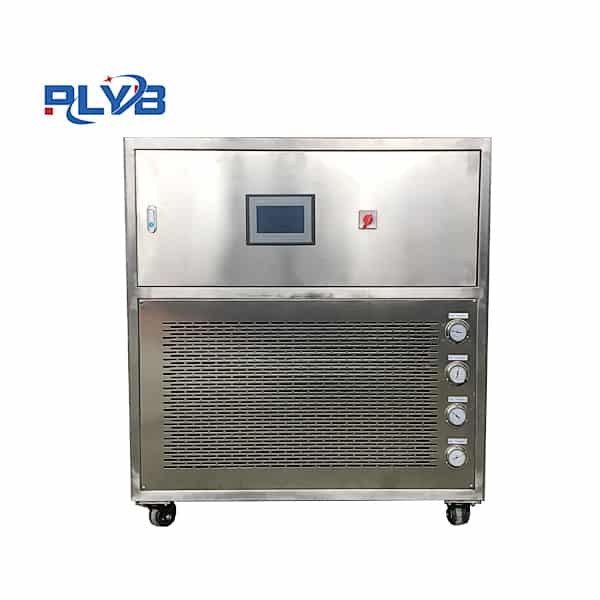
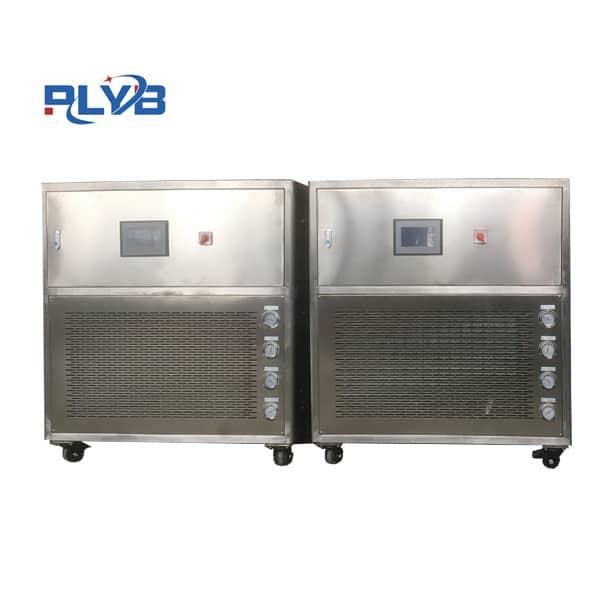
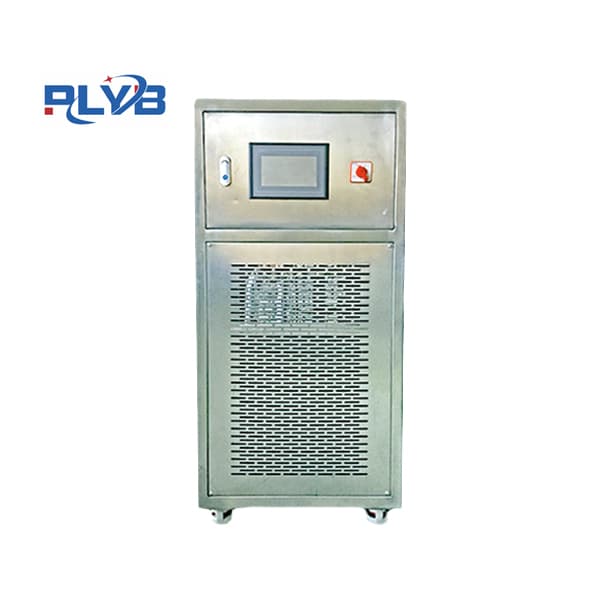
Stainless Steel High-Low Temperature Circulating Control Unit
- Product Description
-
Overview of the Stainless Steel High-Low Temperature Circulating Control Unit
Stainless Steel High‑Low Temperature control Unit is an intelligent temperature‑control device that combines heating and cooling functions. In recent years, it has been widely adopted in the chemical, pharmaceutical, bioengineering, new‑materials research, and laboratory sectors. Thanks to its ability to deliver precise temperature control across a broad range, such equipment has increasingly become a key component of industrial temperature‑control systems.
1. Stainless steel high‑and‑low temperature integrated units typically use high‑quality stainless steel as the primary material, offering excellent corrosion resistance and oxidation stability. They are particularly well suited for industries with stringent cleanliness requirements, such as pharmaceuticals and food processing. Moreover, the stainless steel construction effectively extends the equipment’s service life and reduces long‑term operating costs, which is one of the key reasons for its widespread market appeal.
2. The integrated high‑low temperature chamber combines advanced cooling and heating systems to achieve rapid temperature ramping. The equipment is typically equipped with high‑precision temperature controllers and an intelligent control system, supporting multi‑stage programmed temperature control with accuracy as tight as ±0.5°C or even better, thereby meeting the stringent temperature requirements of precision experiments and complex processes. Moreover, during temperature transitions, the unit exhibits fast response and stable operation, helping to enhance production efficiency and experimental accuracy.
3. Stainless steel high‑and‑low temperature integrated units typically feature multiple safety protection mechanisms, such as over‑temperature protection, overload protection, low‑liquid level alarms, and pressure protection. These functions enable the equipment to automatically shut down and trigger an alarm in abnormal conditions, effectively preventing equipment damage or safety incidents. This is especially critical for continuous operation or in high‑risk operating environments.
4. This equipment is suitable for a wide range of applications, including reactor temperature control, material testing, constant‑temperature experiments, and freeze‑drying auxiliary systems. In the chemical industry, it can be used to regulate temperatures during reaction processes; in the pharmaceutical sector, it supports precise temperature control during drug synthesis and storage; and in research laboratories, it provides a stable and reliable thermal environment for various experiments. Its versatility makes it a universally applicable temperature‑control solution across industries.
Stainless steel high‑low temperature integrated units are designed to be both compact and modular, saving installation space while facilitating transportation and maintenance. Some high‑end models also feature remote monitoring and data logging capabilities, allowing users to view operating status in real time via computer or mobile device, enabling intelligent management and further enhancing ease of use and operational efficiency.
Typical Applications of Refrigeration and Heating Temperature Control Systems
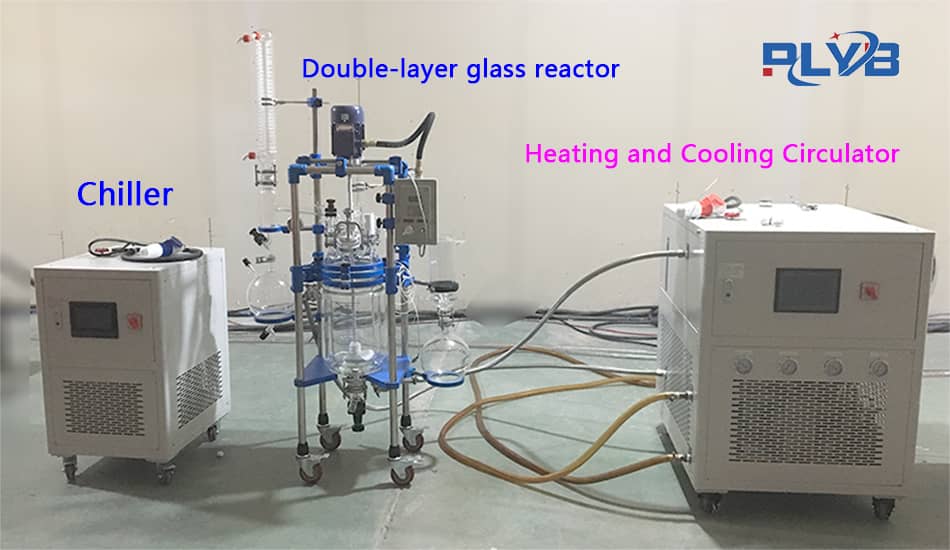
Dynamic temperature control for high-pressure reactors, dynamic temperature control for double‑walled glass reactors, constant‑temperature control for microchannel reactors, compact temperature‑control systems, temperature regulation in steam‑bath systems, low‑ and high‑temperature aging tests for materials, combined chemical cold‑and‑heat source temperature control, cooling and heating for semiconductor equipment, and constant‑temperature control for vacuum chamber cooling and heating.
Stainless Steel High-Low Temperature Circulating Control Unit - Technical Specifications
Model
PLYY-40-20
PLYY-40-30
PLYY-45-50
PLYY-40-100
PLYY-40-150
PLYY-40-200
Temperature Range
-40℃~200℃
Control System
PID adaptive control algorithm, PLC‑programmable controller
Temperature Control Mode
Material temperature control and equipment outlet temperature control modes, freely selectable
Program Editing
PLC control allows programming of 5 programs, each with up to 40 steps
Communication Protocol
MODBUS RTU Protocol, RS485 Interface
External Temperature Feedback
PT100 or 4–20 mA or communication-based setpoint (default: PT100)
Temperature Feedback
Three temperature readings: inlet temperature, outlet temperature, and reactor material temperature (via external temperature sensor)
Thermal Fluid Temperature Control Accuracy
±0.5℃
Material Temperature Control Accuracy
±1℃
Heating Power kW
2.5
3.5
5.5
7.5
10
15
Manufactured
Cold
Quantity
kW200℃
2.5
3.5
5.5
7.5
10
15
100℃
2.5
3.5
5.5
7.5
10
15
20℃
2.5
3.5
5.5
7.5
10
15
0℃
1.8
3
5
7
10
15
-20℃
0.85
1.5
2.9
4.2
6
11
-40℃
0.25
0.45
0.9
1.5
2
3.8
Circulation pump flow rate, max pressure
20 L/min
2 bar35 L/min
2 bar35 L/min
2 bar50 L/min
2 bar75 L/min
2.5 bar110 L/min
2.5 barCompressor
Emerson Copeland, Tecumseh, Duling, and other brands of compressors
Expansion valve
Danfoss/Emerson thermostatic expansion valve
Evaporator
Plate Heat Exchanger
Control Panel
PLC control, 7-inch color touchscreen, temperature curve display and recording
Safety Protection
Features self-diagnosis; freezer overload protection; high-pressure switch, overload relay, thermal protection device, and multiple other safety features.
Closed-loop circulation
The entire system is fully sealed: at high temperatures, no oil mist is produced; at low temperatures, it does not absorb moisture from the air. During operation, the system prevents pressure increases due to high temperatures and automatically replenishes the heat-transfer fluid at low temperatures.
Refrigerant
R-404A/R507C
Power Supply
380V 50HZ / 460V 60HZ
Housing Material
Cold Plate with Powder Coating or SUS304 Housing
Optional Features
Explosion-proof Type ExdIIBT4/ ExdIICT4
Working Principle of Stainless Steel High-Low Temperature Control Unit
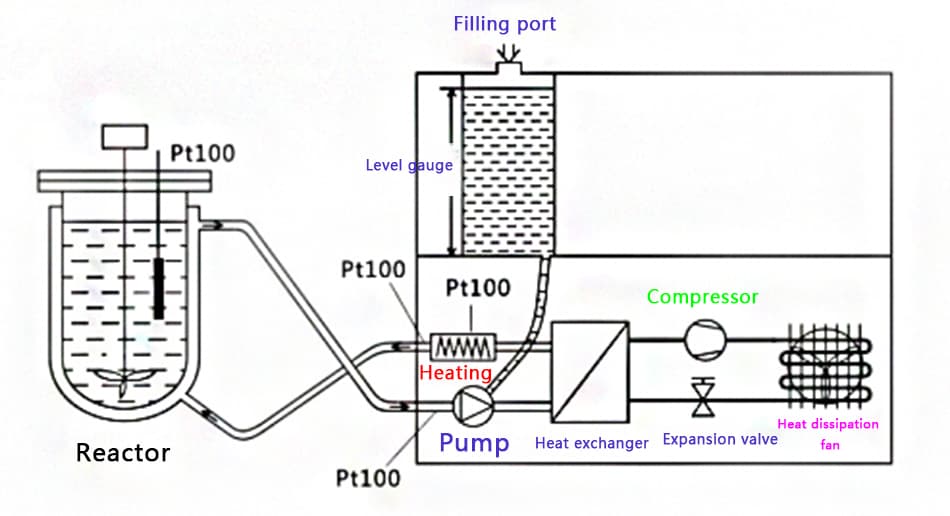
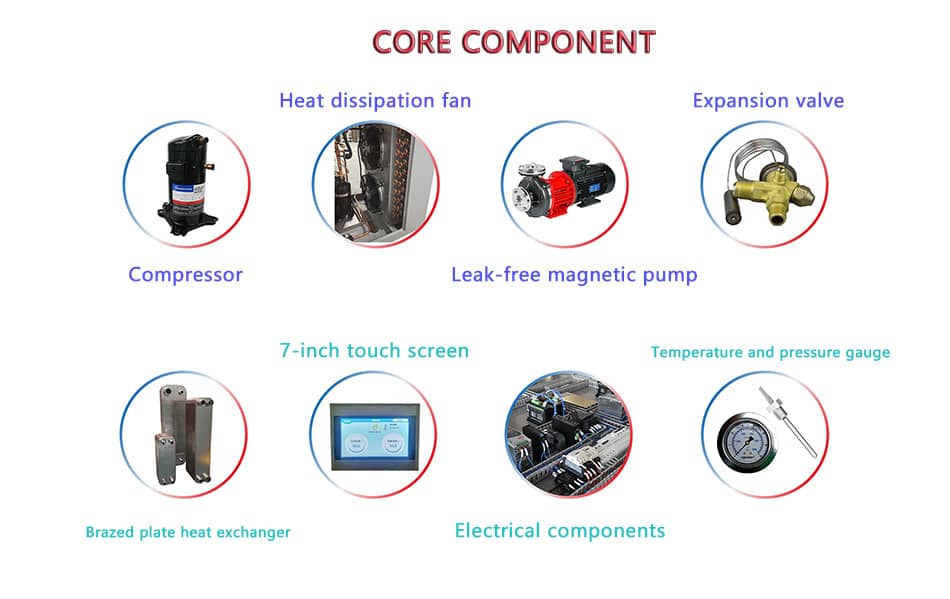
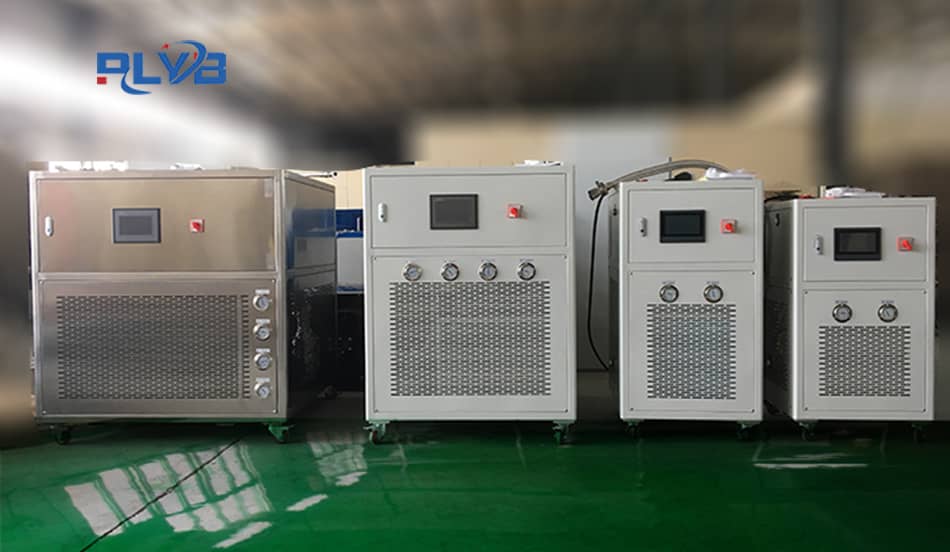
Stainless Steel High-Low Temperature Control Unit – Detailed Images of Some Components
Control System Display, Brand-Name Compressor, Condenser Fan, Plate Heat Exchanger, Expansion Valve, Drying Filter, etc.
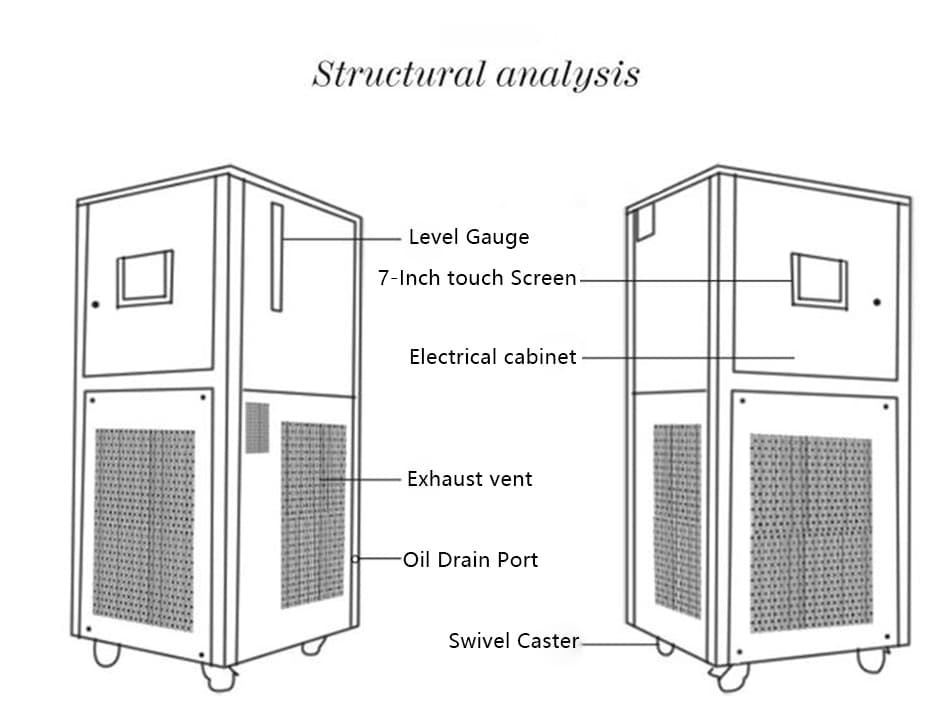
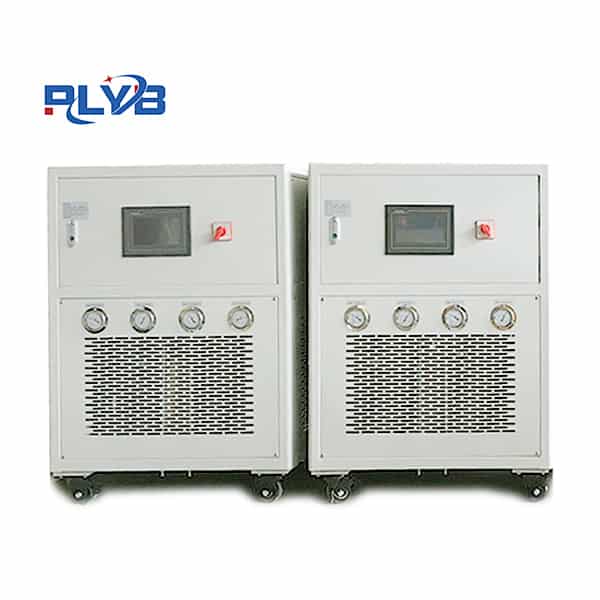
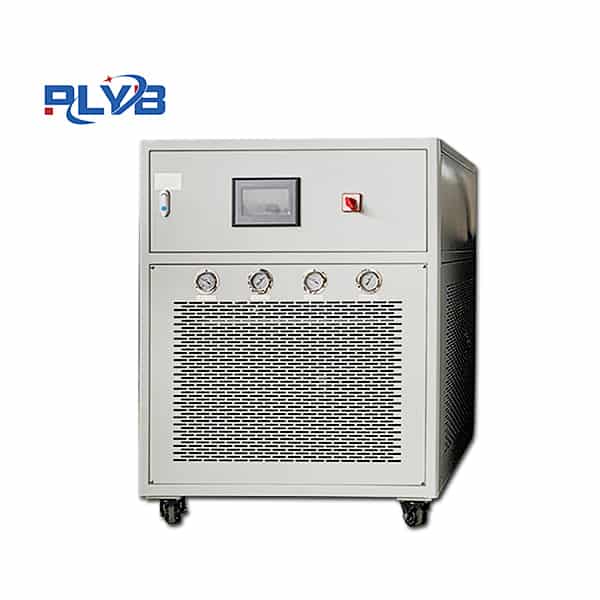
External Structural Diagram of the Stainless Steel High- and Low-Temperature Circulation Control Unit
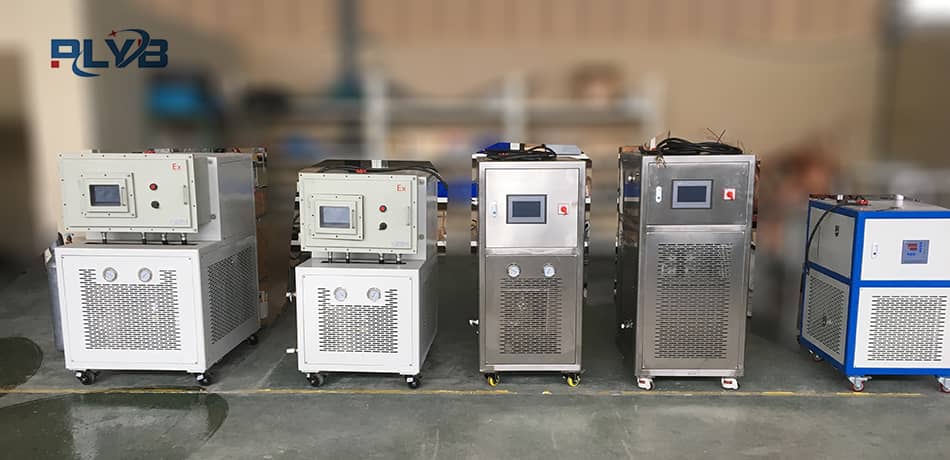
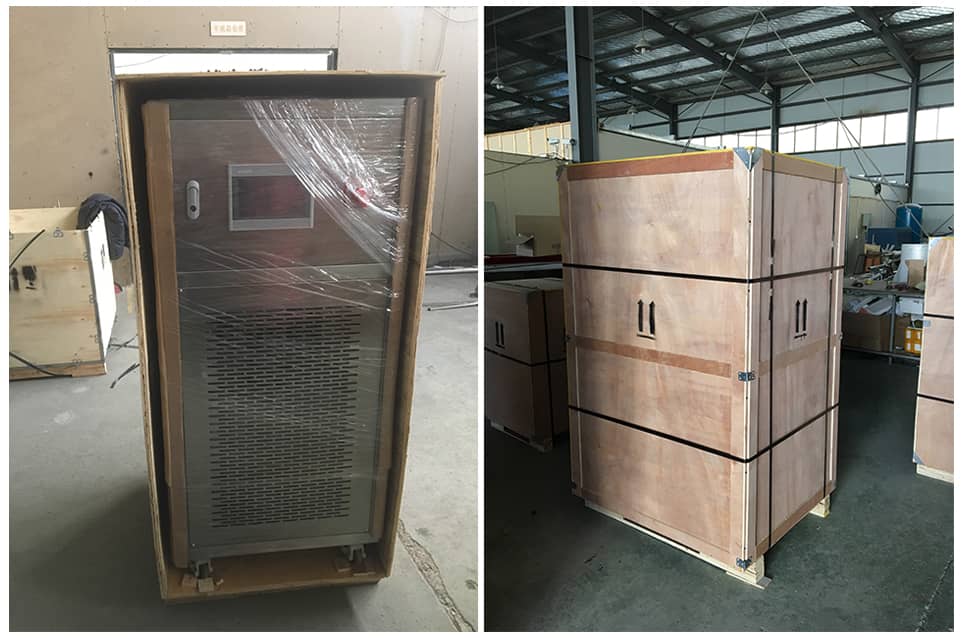
Real-Product Photos
Packaging box for the stainless steel high-low temperature control unit
When selecting a stainless steel integrated high- and low-temperature unit, users should pay particular attention to the temperature range (e.g., -80°C to 200°C), cooling capacity, heating power, circulating pump performance, and the level of intelligence in the control system. Additionally, it is important to consider the equipment brand, after-sales service, and specific application requirements to ensure that the chosen device can operate reliably over the long term.
With the advancement of industrial automation and intelligent manufacturing, market demand for stainless steel high‑low temperature integrated units will continue to grow. In the future, such equipment will evolve toward higher precision, greater energy efficiency and environmental friendliness, and increased intelligence, providing more efficient and reliable temperature control solutions across various industries.
Related Products
Product Inquiry
Please leave your information, and we will contact you as soon as possible after receiving it. Thank you for your support!