简体中文
简体中文 English

Products
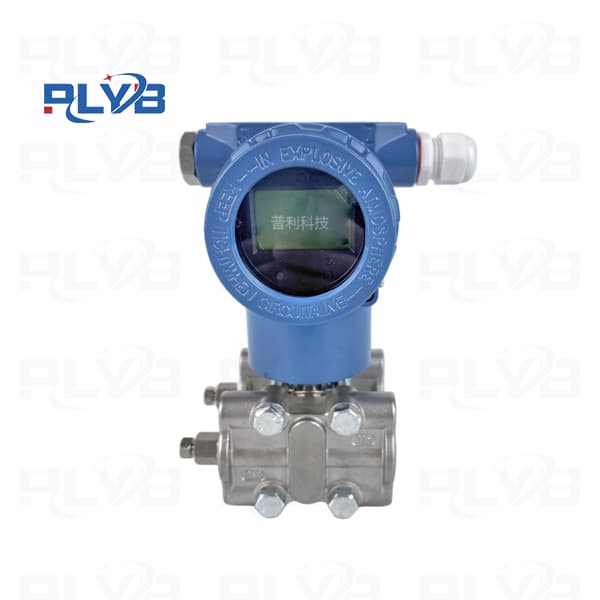
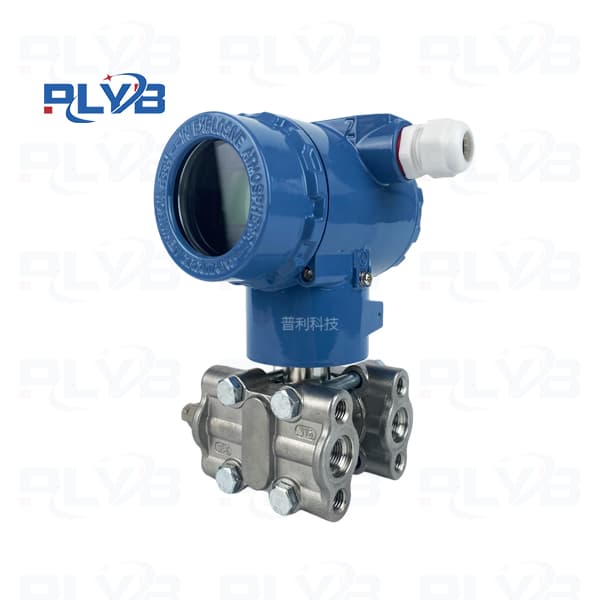
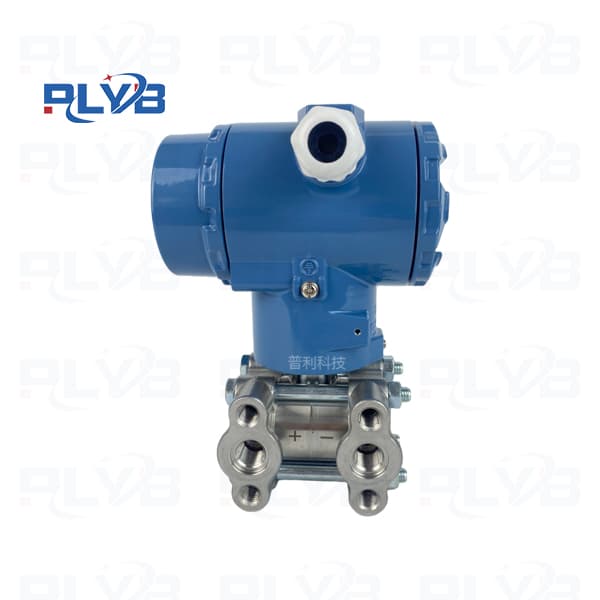
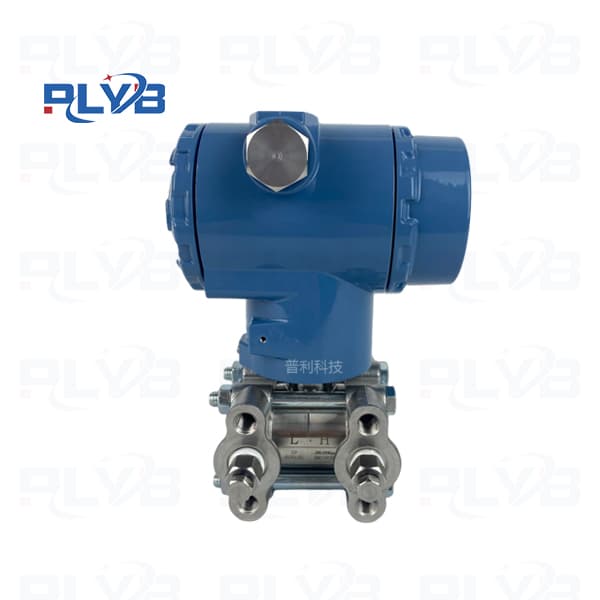
Intelligent differential pressure transmitter
- Product Description
-
1. Product Overview
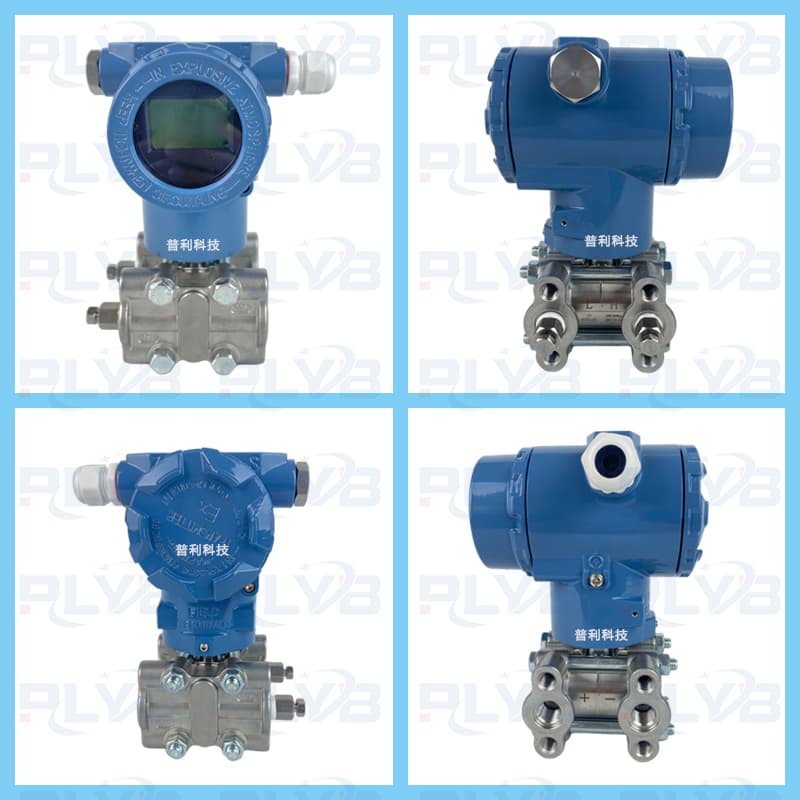
In the field of precision measurement in industrial automation, differential pressure transmitters are the core instruments for monitoring differential pressure, flow, liquid level, and density. We use next-generation capacitive sensing technology and digital temperature compensation algorithms to create industrial-grade differential pressure transmitters with high precision, high stability, and strong anti-interference capabilities. Suitable for measuring micro-differential pressure and high static pressure in liquids, gases, and steam, widely applied in harsh conditions such as petroleum, chemical, electric power, metallurgy, water treatment, heating, and environmental protection, providing stable and reliable differential pressure signals for industrial systems.
2. Core Product Highlights
1. Capacitive sensing technology for more precise measurement
Uses industrial-grade capacitive differential pressure cores, offering high sensitivity, good repeatability, and strong long-term stability. Built-in high-precision AD conversion and digital processing chip for full-range automatic temperature compensation, Regardless of high or low temperature conditions, measurements remain precise and drift-free.
2. Multifunctional measurement and multi-purpose machine for multiple uses
Not only does it measure differential pressure, but it can also directly measure: ・Pipeline/tank liquid level ・Gas / liquid flow rate ・Filter pressure differential ・Furnace negative pressure and air pressure ・Sealed tanks and open tank liquid levels Truly realizing one instrument for multiple uses.
3. High anti-interference and stable operation in industrial environments
Uses a dual shielding structure to resist electromagnetic interference, vibration, and impact. Stable signal transmission and unaffected by long-distance wiring, Suitable for highly disturbed sites such as power plants, chemical plants, boiler rooms, and sewage treatment plants.
4. Explosion-proof and corrosion-resistant design, suitable for extreme working conditions
Full stainless steel structure, 316L diaphragm resistant to acids, alkalis, and corrosion. Supports intrinsic safety explosion-proof and explosion-proof protection, suitable for flammable and explosive hazardous environments. Protection rating: IP67, waterproof, dustproof, and moisture-resistant.
5. Standard signal output and compatibility with all industrial control systems
Standard 4-20mA analog output, optional HART and RS485-Modbus communication. Two-wire wiring, DC24V power supply, Plug-and-play, perfectly compatible with PLC, DCS, industrial computers, and digital display instruments.
6. Wide range ratio and flexible adjustment
Supports wide-range range ratio adjustment; one unit can replace multiple traditional meters. Easy installation and debugging, zero point and range can be set on-site, Lower operating costs and easier maintenance.
3. Technical Indicators Overview (Only What You Care About)
Key parameters Typical values Measurement range 0~100Pa to 0~3MPa (optional high static pressure type 32MPa) Accuracy grade 0.075%FS Output signal 4-20mA + HART / RS485 Modbus / Wireless LoRa Upper limit of static pressure Available in 16MPa, 25MPa, and 40MPa Liquid connection material 316L SS / Hastelloy C / Tantalum / Monnell Diaphragm type Flat diaphragm, convex diaphragm, surface-mount type (anti-crystallization) Process connection 1/4NPT internal thread, 1/2NPT, M20×1.5, flange DN50~DN100 Explosion-proof rating Ex d IIC T6 Gb (Explosion-proof) 4. Typical Application Scenarios:
Scenario 1: Steam flow metering (orifice plate/nozzle/Venturi)
Pain points: High temperature and high pressure, condensate accumulation, and freezing of the pressure guide tubes in winter.
Recommended configuration: differential pressure transmitter + condensing container + three-valve group + heat tracing insulation.
Our advantages: High static pressure option (25MPa), long-term stability <0.1%/year, reducing frequent calibration.
Scenario 2: Storage tank level measurement (atmospheric/pressurized)
Pain points: corrosive liquids, prone to crystallization, and the tank top cannot open.
Recommended configuration: Dual flange differential pressure transmitter (capillary tube length 2~10m), diaphragm gold plating or PTFE spraying.
On-site case: In a chemical plant's concentrated sulfuric acid storage tank, the original radar level gauge was affected by volatilization. After switching to a dual-flange differential pressure transmitter, the level error dropped from ±5cm to ±0.5cm.
Scenario 3: Micro-differential pressure in cleanroom/air conditioning systems
Pain points: Differential pressure is only 50Pa~500Pa, causing significant interference from ambient airflow.
Recommended configuration: Micro differential pressure transmitter (range ±100Pa), with damping filtering and averaging functions.
Features: Accuracy of 0.5Pa, adjustable response time up to 5 seconds, prevents door and switch disturbances.
Scenario 4: Filter/filter screen differential pressure monitoring
Pain points: false or missed alarms can cause pump wear or increased energy consumption.
Recommended configuration: single-side overload protection differential pressure transmitter with adjustable alarm contacts (switch output output).
Benefits: Filter cartridge blockage can be given 48 hours in advance, saving 30% of replacement costs annually.
5. Model Selection Pitfall Guide (From Our Experience Serving 1200+ Clients)
Don't just focus on the range; first confirm the static pressure level.
Similarly, measuring a 100kPa differential pressure requires completely different transmitter requirements between 1MPa and 20MPa. Under high static pressure, the high static pressure type must be selected.The shorter the extraction tube, the better.
For every 1 meter of extraction tube, the response delay increases by about 0.2 seconds and increases the leak point. Priority is given to direct-mount or flange types.Do not reverse the positive and negative pressure sides.
Many on-site reverse terminals are "corrected" by migration, but this sacrifices the upper limit of the range. Correctly label the high-voltage terminal (H) and low-voltage terminal (L).The three-valve group is not optional;
it allows you to zero, drain, and replace transmitters without stopping work. We offer supporting three-valve groups and five-valve groups, pre-assembled from the factory.Explosion-proof ≠ Waterproof:
If the site is only dusty and humid, IP67 is sufficient; If flammable gases are present, flameproof or intrinsically safe must be selected. We offer dual-certified models.
6. Common Issues with Differential Pressure Transmitters
Q: Can differential pressure transmitters measure flow rate?
A: Yes, you can. In conjunction with throttling devices (orifice plates, velocity equalizers, etc.), the square root of differential pressure is proportional to the flow rate. Our transmitters have built-in square cutting functions and directly output linear flow signals.Q: Must the installation position be below the pressure extraction point?
A: When measuring gases, it is recommended that the transmitter be placed above the pressure extraction point (to prevent condensate accumulation); When measuring liquid, it is recommended to keep the pressure point below the extraction point (ensuring the extraction tube is filled with liquid). If this cannot be met, the migration amount can be increased.Q: How often does a differential pressure transmitter need to be calibrated?
A: Generally, it is recommended to do so once a year. We offer calibration-free designs with long-term stability up to 3 years (subject to confirmed operating conditions).Q: Does it support wireless transmission?
A: Optional LoRa, NB-IoT, and 4G wireless modules can be uploaded directly to cloud platforms, suitable for dispersed sites such as oilfields and thermal networks.
Related Products
Product Inquiry
Please leave your information, and we will contact you as soon as possible after receiving it. Thank you for your support!